India has 58 tiger reserves across 18 states, according to the National Tiger Conservation Authority (NTCA). Project Tiger began in 1973 with nine reserves, starting at Jim Corbett. Today Madhya Pradesh has the most (9), and Nagarjunsagar-Srisailam in Andhra Pradesh and Telangana is the largest. The latest estimate (2022) counted 3,682 tigers, and the 2026 count is still underway. This guide covers the full state-wise list, how reserves differ from national parks, the best time to visit and tips for your first safari.
Total number of tiger reserves in India
Total: 58 tiger reserves in 18 states
First: Project Tiger began at Jim Corbett in 1973, with nine reserves across India.
Largest: Nagarjunsagar-Srisailam (Andhra Pradesh and Telangana)
Most reserves: Madhya Pradesh (9)
Latest tiger count: 3,682 tigers in the 2022 estimate
Growth: About 6.1% in consistently sampled areas, 2006 to 2022
How did it start?
Back in 1973, Project Tiger was launched to protect India’s declining tiger population. Tigers were disappearing due to unregulated hunting practices, poaching, and other factors like habitat loss. The programme began with nine tiger reserves, including Corbett, Ranthambore, Kanha and Bandipur. Since then, the network has grown to 58 reserves in 18 states. They are located across the country with the same goal: to give the tigers space to live.
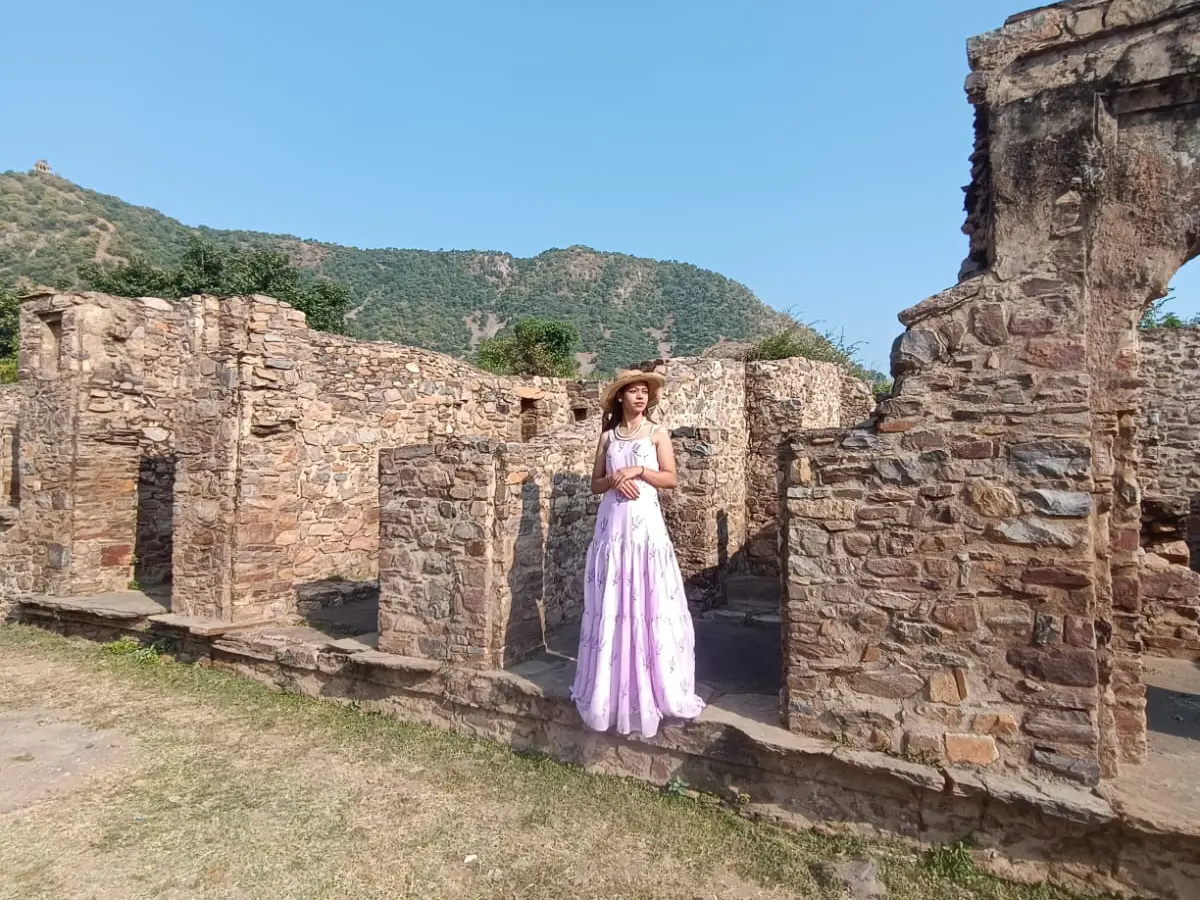
Some have old fort walls and open lakes, like Ranthambore National Park, while others have tall sal forests and wide meadows like Kanha. Today, India has 58 tiger reserves in 18 states, with Madhya Pradesh leading with nine reserves. The newest addition, Madhav Tiger Reserve in Shivpuri, became India’s 58th tiger reserve in March 2025. Second, Maharashtra has six tiger reserves, while Karnataka, Tamil Nadu and Rajasthan have five each, including Ranthambore and Sariska. Sariska is also close enough to Jaipur and Delhi, which makes it perfect for a weekend trip. Many travellers book a stay near Sariska to reach the gate for the early morning safari.
Largest Tiger Reserve in India
The largest tiger reserve in India is Nagarjunsagar-Srisailam, spread across Andhra Pradesh and Telangana. It covers about 5,937 sq km, including core and buffer areas. It is often called the biggest tiger reserve in India because of its area.
The reserve spreads across the Nallamala hills, with dry forest, deep gorges, and the Krishna River inside it. It is more about wide, quiet forest than quick tiger sightings. Due to the thick forest, tourism here is limited, so it’s never guaranteed that you’ll spot a tiger here. If it is your first tiger safari, pick a smaller, well-known reserve for tiger sightings like Ranthambore or Corbett.
To know more about the largest tiger reserve in India, you can visit the official site at Nagarjunasagar Srisailam Tiger Reserve.
List of Tiger Reserves in India (State-Wise)
Below is the list of all the tiger reserves in India:
| State | Number | Tiger Reserve |
| Madhya Pradesh | 9 | Kanha, Pench (MP), Bandhavgarh, Panna, Satpura, Sanjay-Dubri, Veerangana Durgavati, Ratapani, Madhav |
| Maharashtra | 6 | Melghat, Tadoba-Andhari, Pench (MH), Sahyadri, Navegaon-Nagzira, Bor |
| Karnataka | 5 | Bandipur, Bhadra, Dandeli-Anshi (Kali), Nagarahole, BRT |
| Tamil Nadu | 5 | Kalakad-Mundanthurai, Anamalai, Mudumalai, Sathyamangalam, Srivilliputhur-Megamalai |
| Rajasthan | 5 | Ranthambore, Sariska, Mukundra Hills, Ramgarh Vishdhari, Dholpur-Karauli |
| Assam | 4 | Manas, Nameri, Kaziranga, Orang |
| Chhattisgarh | 4 | Indravati, Udanti-Sitanadi, Achanakmar, Guru Ghasidas-Tamor Pingla |
| Uttar Pradesh | 3 | Dudhwa, Pilibhit, Ranipur |
| Arunachal Pradesh | 3 | Namdapha, Pakke, Kamlang |
| Uttarakhand | 2 | Jim Corbett, Rajaji |
| Kerala | 2 | Periyar, Parambikulam |
| Telangana | 2 | Amrabad, Kawal |
| Odisha | 2 | Similipal, Satkosia |
| West Bengal | 2 | Sundarbans, Buxa |
| Andhra Pradesh | 1 | Nagarjunsagar-Srisailam |
| Bihar | 1 | Valmiki |
| Jharkhand | 1 | Palamau |
| Mizoram | 1 | Dampa |
| Total | 58 | 18 states |
Note: Pench appears twice because it is two separate reserves, one in Madhya Pradesh and one in Maharashtra and Nagarjunsagar-Srisailam extends into Telangana but is counted once, under Andhra Pradesh, in the total of 58.
Difference between a Tiger Reserve and a National Park
The two have some core differences based on several factors. A national park protects an area and its wildlife, while a tiger reserve also adds a layer of management built around the tigers living there.
| Tiger Reserve | National Park |
| Built around the tiger and its prey | Protects wildlife and habitat in general |
| A core area plus a buffer zone around it | Usually one protected area |
| Core kept free of people as far as possible; buffer allows limited village use | Human activity is restricted inside |
| Run by the state, with NTCA and Project Tiger guidelines | Run by the state forest department under wildlife law |
| Safaris on set routes in a small tourism zone, with limited vehicles per day | Tourism allowed in permitted areas |
| Example: Ranthambore Tiger Reserve, which is larger and includes the park | Example: Ranthambore National Park |
Which Tiger Reserve Should You Visit First?
If you want the best chance of seeing a tiger, you can start with one of these five:
Ranthambore, Rajasthan:
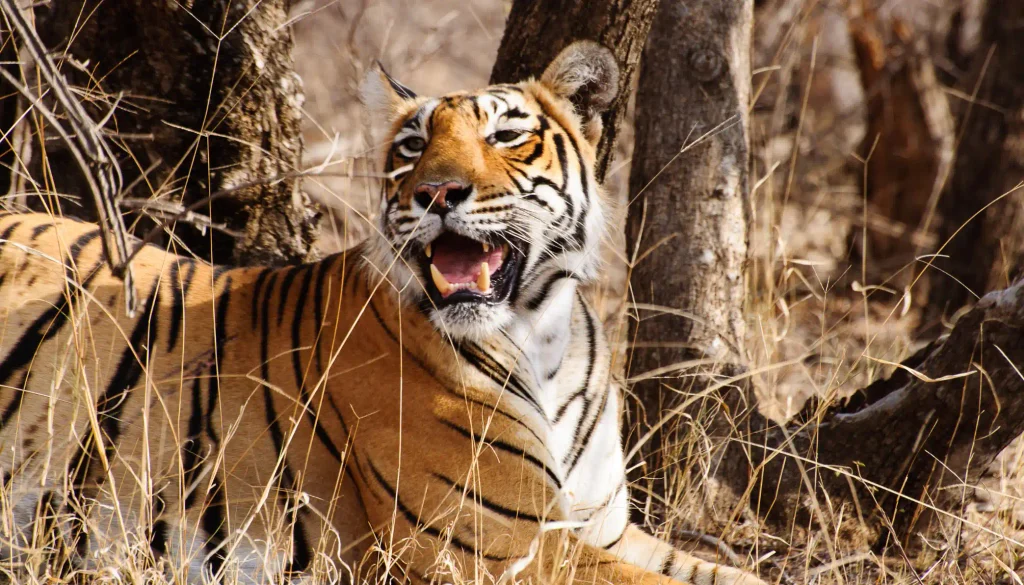
It is one of the best tiger reserves for tiger sightings. They are often seen in daylight near lakes and fort ruins, which makes it a favourite with photographers.
Sariska, Rajasthan:
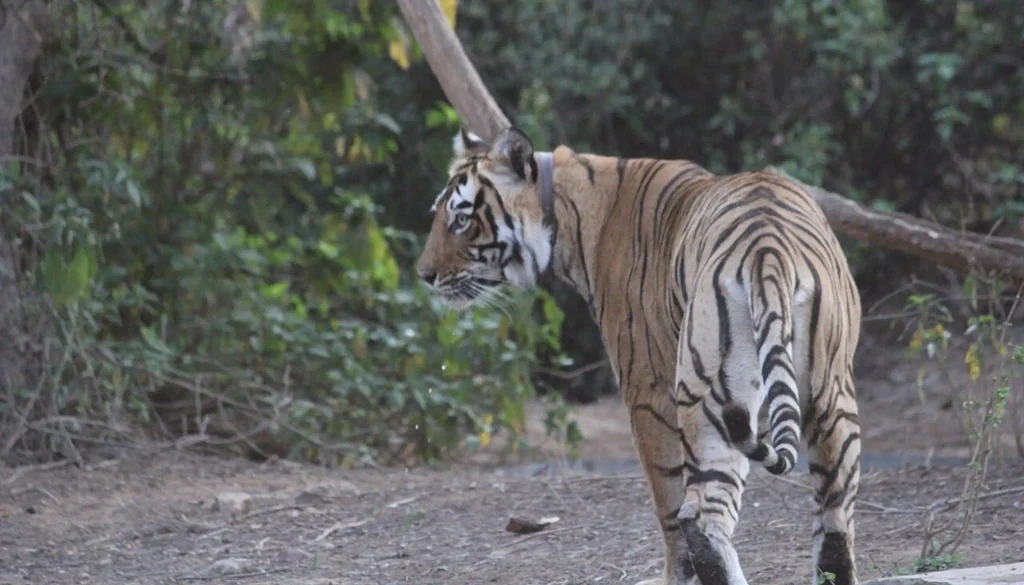
Set in the Aravalli hills of Alwar, Sariska is a tiger reserve surrounded by hills, old temples, and forts around it. It is one of the easiest places to visit from Jaipur and Delhi and to know more you can check out why Sariska is a perfect choice.
Jim Corbett, Uttarakhand:
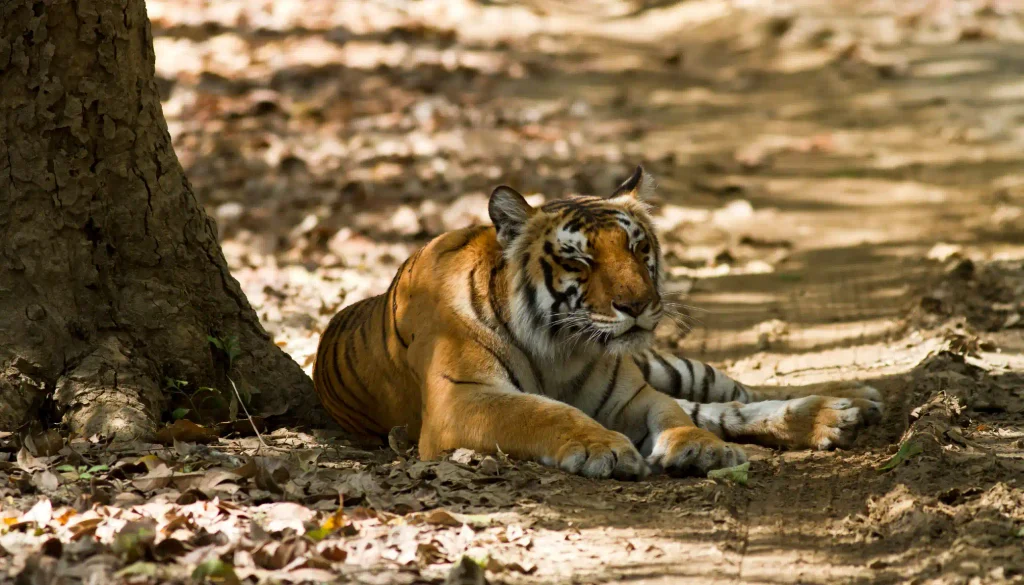
Jim Corbett is India’s first national park (1936) and the site where Project Tiger was launched in 1973, known for its river valleys, tall grasslands, and a variety of wildlife and bird species.
Bandhavgarh, Madhya Pradesh:
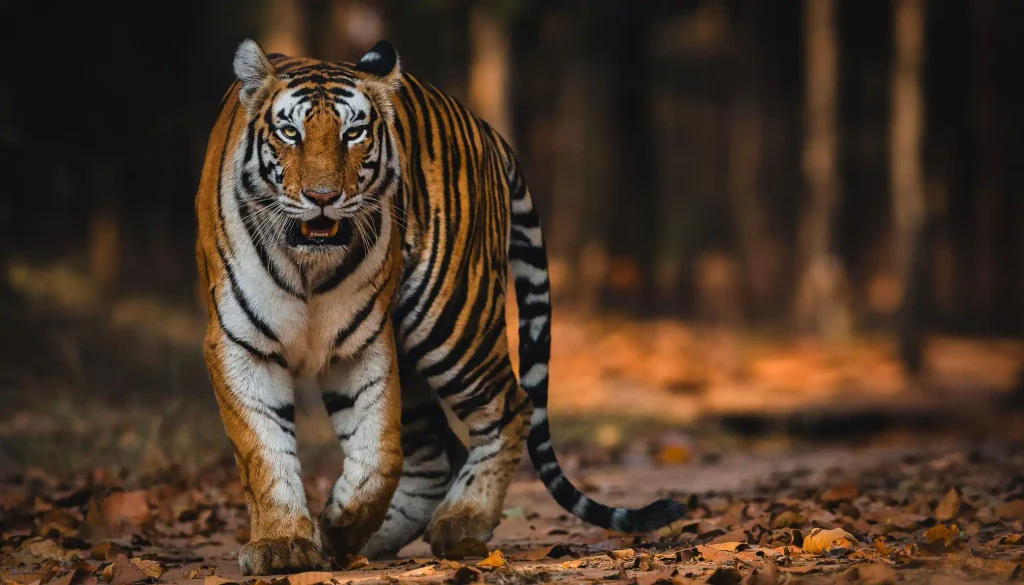
Bandhavgarh has one of the highest tiger densities in India, which makes it a popular choice for visitors to spot a tiger in the wild.
Kanha, Madhya Pradesh:
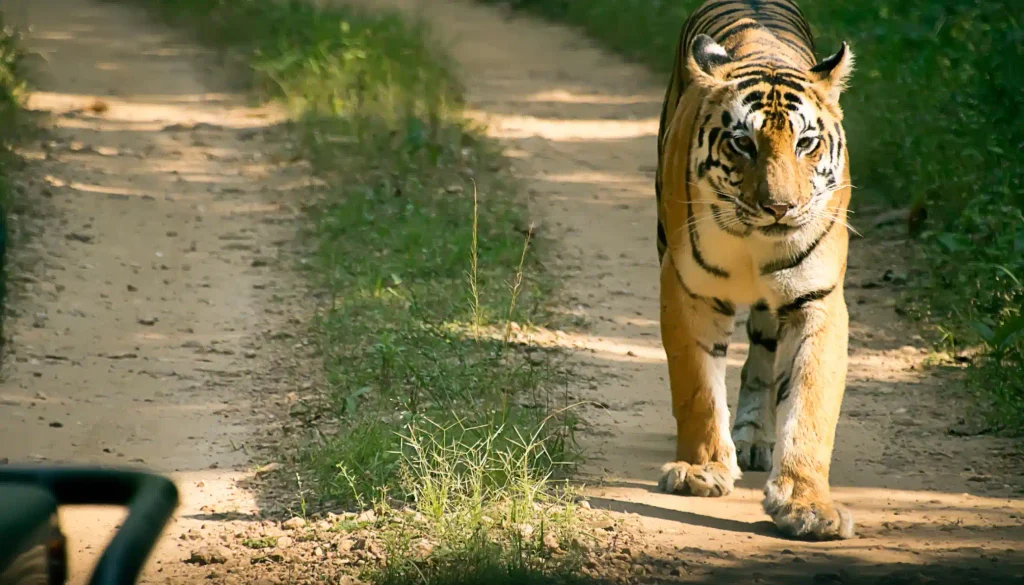
Surrounded by Sal forests and open meadows, safaris in Kanha are a good choice for people who want a quieter pace for tiger sightings.
Best Time to Visit Tiger Reserves in India
The best time for a tiger safari is usually from October to May, but the experiences can vary with different seasons and reserves. Choose your time based on what you want to see and your preference.
Winter season
Months from November to February offer cooler days and comfortable safaris. Early morning safaris in an open vehicle can get quite cold, so carrying a jacket is helpful.
Summer season
Months from March to May are generally too hot, but they have better chances of tiger sightings. As waterholes become limited and vegetation is dry, tigers are often seen out in the wild.
Monsoon season
During the months from June to September, many reserves close or have limited access. So it is important to check with the park’s official website for your dates before booking.
Tips for Planning a Tiger Safari in India
Following a few practical tips before booking your safari can help you have a better experience.
- Check safari availability before booking: Popular reserves and safari zones can fill up, especially during holidays and peak travel months. So, check the latest details on official booking portals before your trip.
- Choose your stay according to the safari location: Morning safaris often require an early start, so staying near your chosen reserve can save you a long drive. For example, when visiting Sariska, you can plan an overnight stay in Sariska rather than travelling on the morning of your safari.
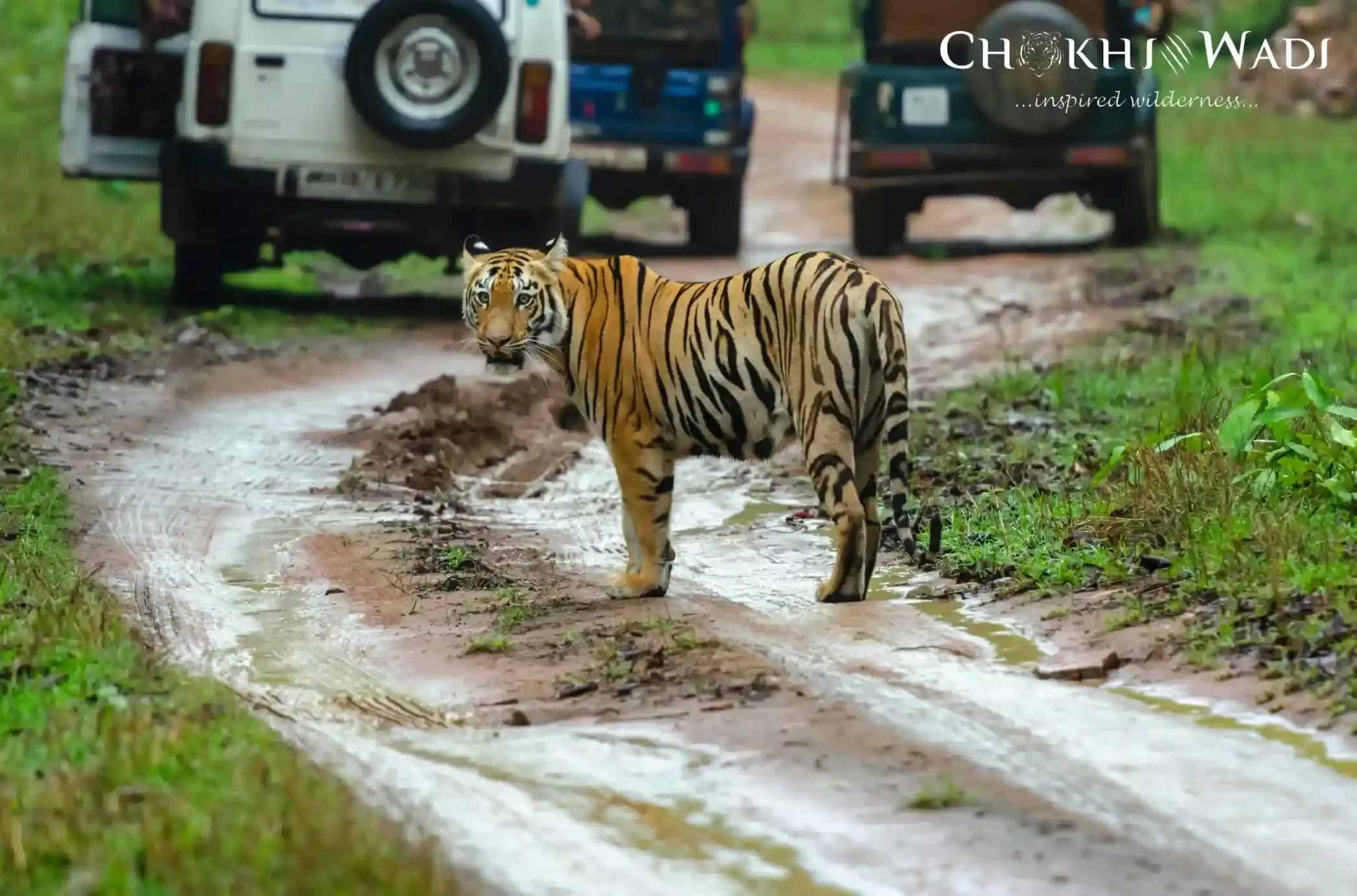
- Keep your expectations realistic: Tigers move freely in the forest so their sightings depend on movement and chance. Enjoy the birds, other wildlife and forest surroundings too, rather than planning the entire visit around spotting a tiger
Final Thoughts
Tiger reserves in India protect some of the country’s most important forests and wildlife habitats. If you are planning your first tiger safari, remember each has something different to offer, so, choose a reserve that fits your travel plans and allow enough time to enjoy the forest beyond tiger sightings.
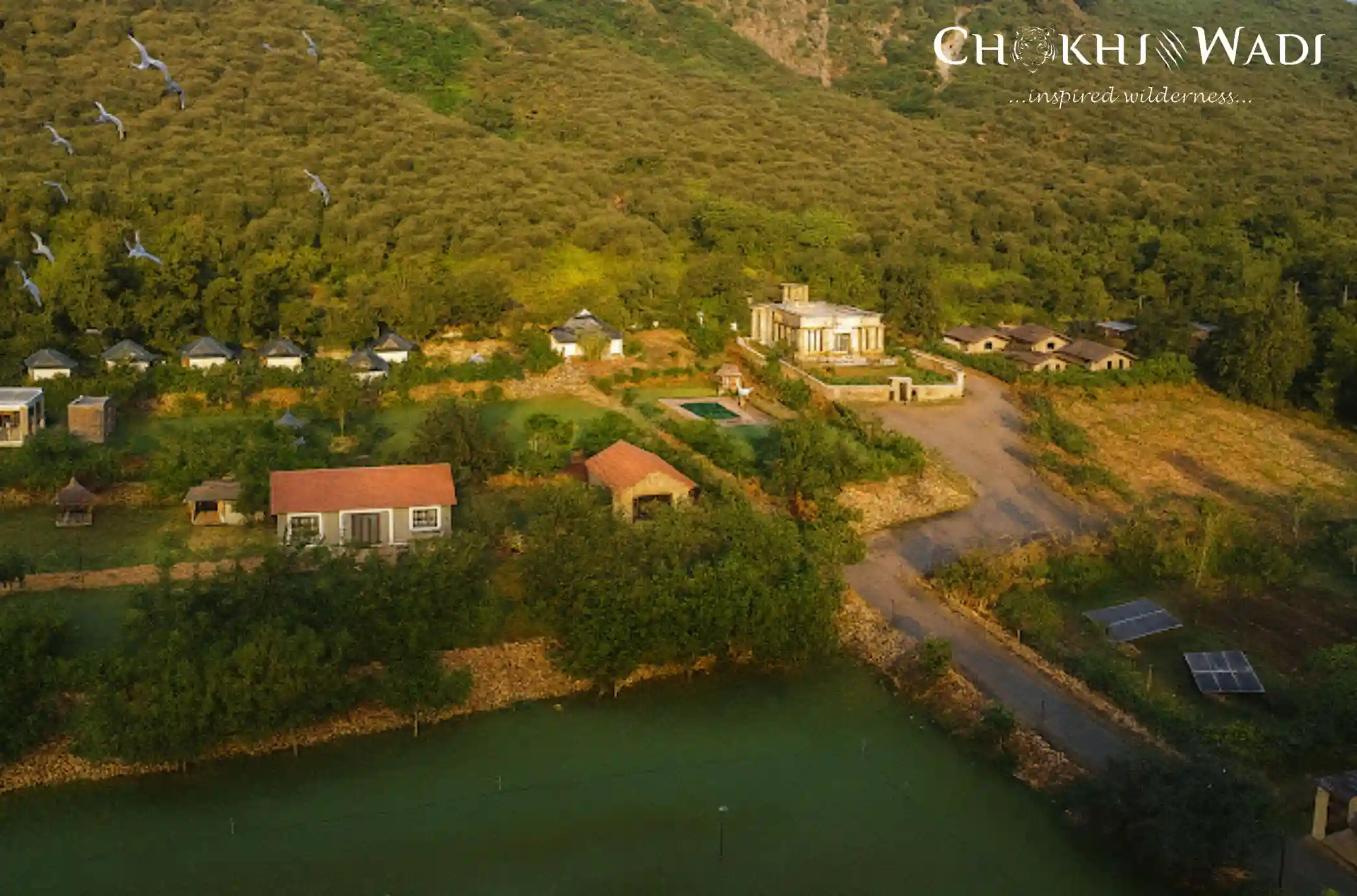
If Sariska is on your list, choose Chokhiwadi, a comfortable resort in Sariska, with convenient access for planning your safari and exploring the area.
FAQs
Q. How many tiger reserves are there in India?
Ans. India has 58 tiger reserves across 18 states, as of 2026. The newest is Madhav Tiger Reserve in Madhya Pradesh, notified in March 2025.
Q. Which is the first tiger reserve in India?
Ans. Jim Corbett in Uttarakhand is the first tiger reserve in India. Project Tiger was launched there on 1 April 1973, along with eight other reserves.
Q. Which is the largest or biggest tiger reserve in India?
Ans. Nagarjunsagar-Srisailam, spread across Andhra Pradesh and Telangana, is India’s largest tiger reserve, covering about 5,937 sq km of forest, hills and river valleys (core and buffer combined).
Q. Which state has the most tiger reserves?
Ans. Madhya Pradesh has the most, with nine tiger reserves. Maharashtra has six, while Karnataka, Tamil Nadu and Rajasthan have five each.
Q. How many tiger reserves are in Rajasthan?
Ans. Rajasthan has five tiger reserves: Ranthambore, Sariska, Mukundra Hills, Ramgarh Vishdhari and Dholpur-Karauli.
Q. When is the best time to visit tiger reserves in India?
Ans. November to February is the best time for most tiger reserves, with cool weather and good safari conditions. Many reserves close or limit access during the monsoon, from roughly July to September.