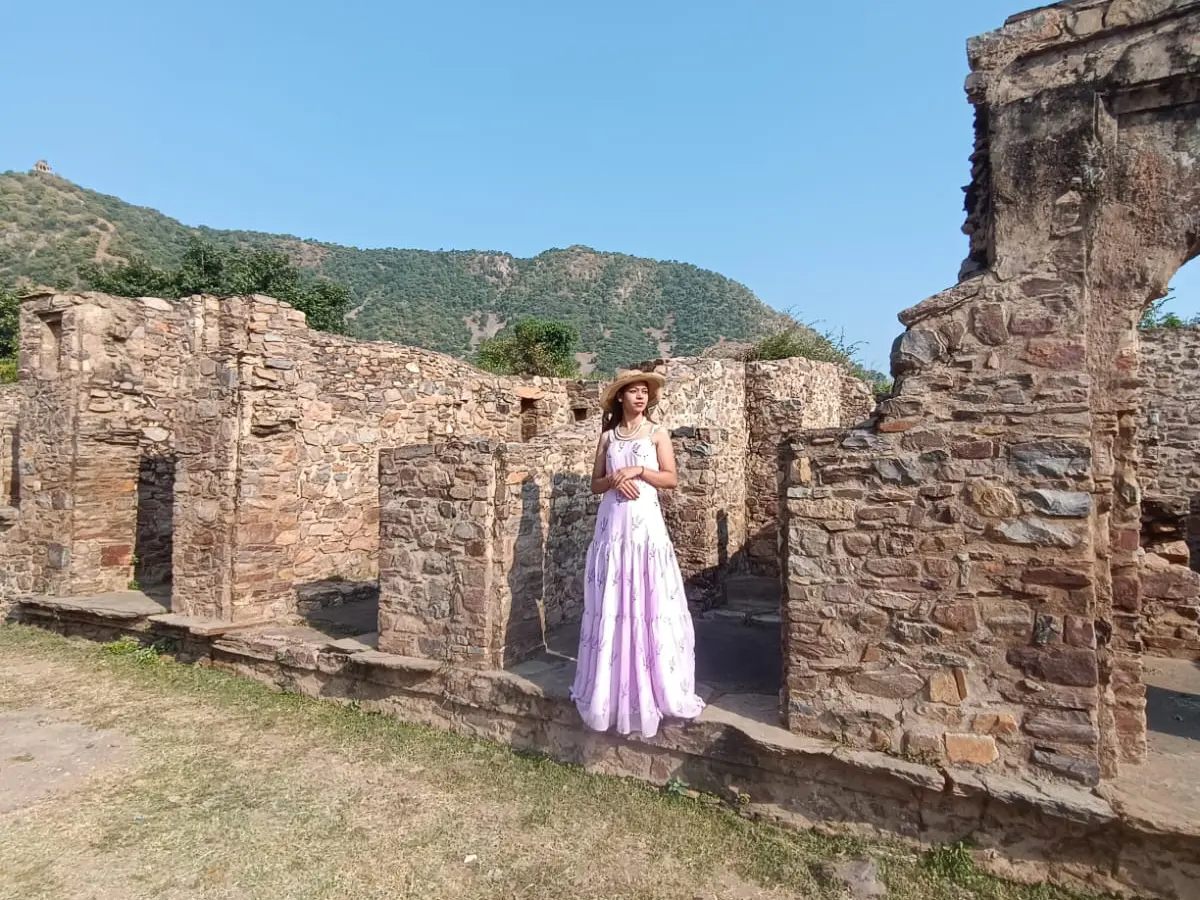
Nestled in the Aravalli Hills of Rajasthan, the quaint and often overlooked village of Ajabgarh serves as a gateway to a realm where history whispers through crumbling forts, ancient temples hum with devotion, and nature unfurls in vibrant hues. This hidden gem, located between the popular tourist hubs of Jaipur and Alwar and close to many options for a resort in Sariska, offers a unique blend of adventure, spirituality, and intriguing folklore, promising an unforgettable 3-day escapade for the discerning traveler.
This blog is your ultimate guide to uncovering the marvels of Ajabgarh, focusing intensely on its captivating attractions and providing a meticulously crafted itinerary to help you make the most of your journey. Prepare to step back in time, immerse yourself in local legends, and witness the raw beauty of Rajasthan.
Day 1: Forts, Stepwells, and Whispers of the Past
Your Ajabgarh adventure begins with a deep dive into its architectural grandeur and historical narratives.
Ajabgarh Fort: A Glimpse into Royal Legacy
Perched atop a small hilltop, the Ajabgarh Fort stands as a silent sentinel, overlooking the eponymous walled town. Built between 1589-94 by Maharaja Ajab Singh Rajawat, the grandson of Madho Singh, this fort is intrinsically linked to the history and mythology of the nearby Bhangarh Fort. While much of it lies in ruins, the fort still offers panoramic views of the surrounding landscape, making it a photographer’s delight. The cool breeze and the sense of stepping into a bygone era are palpable here. What makes Ajabgarh Fort particularly intriguing is its rumored secret underground tunnel, said to connect it to the nearby Shri Raghunathji Temple. This tunnel was supposedly designed to ensure the privacy and safety of the royal women, allowing them to visit the temple discreetly. Exploring the remnants of this once-grand structure offers a rare glimpse into the regal lifestyle and defensive strategies of ancient India. Allow yourself an hour or two to wander through its ancient walls, imagining the lives that once unfolded within.
Historic Chhatri: Elegance in Stone
Just a short distance from the fort, you’ll encounter several Historic Chhatris. These elegant, dome-shaped pavilions are characteristic of Rajput architecture and serve as memorials, often marking the cremation sites of royalty or significant figures. The chhatris in Ajabgarh, though perhaps less grand than those found in major cities, possess a serene beauty and offer a quiet space for reflection. Their intricate carvings and weathered stone tell tales of devotion and remembrance, providing a poignant connection to the past. Take your time to appreciate the craftsmanship and the peaceful ambiance of these historical structures.
Bhairo Mandir: A Sanctuary of Ancient Beliefs
Next, make your way to the Bhairo Mandir, a temple dedicated to Lord Kala Bhairava, a fierce manifestation of Lord Shiva. According to local legends, the origins of this sacred edifice can be traced back to the time of the Pandavas, the legendary heroes of the Mahabharata. It’s believed that Bheem, one of the Pandava brothers, frequently visited this temple to seek blessings and spiritual empowerment. Another ancient mythology associated with the temple tells of Goddess Vaishno seeking solitude in a sacred cave, appointing the mighty ‘Veer-Langur’ to guard its entrance. When Lord Bhairav defied this decree, the Goddess transformed into ‘Chandi’ and vanquished him, with his severed head falling to the ground at the site now known as Bhairav Ghati, where the temple stands. The idol of Lord Bhairav here is striking, with piercing blue eyes and a formidable trident, epitomizing strength and protection. Devotees offer a variety of offerings, including sweets, milk, and even alcohol, believing Lord Bhairav grants prayers and shields them from fear. The temple pulsates with activity on Sundays, but on any day, it offers a deep dive into local faith and ancient lore.
Naraini Mata Temple: A Spiritual Oasis
Continue your spiritual journey to the Naraini Mata Temple, a revered sanctuary nestled amidst tranquil surroundings. Dedicated to Goddess Naraini, an incarnation of Lakshmi, the temple is a spiritual haven for thousands. The majestic structure, adorned with vibrant colors and sculptures, is a sight to behold. Early mornings are marked by melodious hymns and a peaceful atmosphere. Devotees offer flowers, grains, and fruits, and it’s believed that feeding the freely roaming cows within the premises brings blessings. The temple also hosts special events like annkuta, yagyas, and pujas, drawing large crowds. Beyond its religious significance, the temple houses precious artifacts like rare terracotta mirrors and ancient idols, serving as an archive of its flourishing history. The Naraini Mata Temple offers a serene escape and a profound insight into local religious practices.
Hathi Baori: The Elephant Stepwell
No trip to Ajabgarh is complete without a visit to its traditional water harvesting structures. The Hathi Baori, or Elephant Stepwell, is a fascinating example of ancient engineering designed to conserve water in arid Rajasthan. While specific detailed historical facts for this particular Hathi Baori might be elusive in readily available information, stepwells in Rajasthan, in general, are architectural marvels. They typically feature intricate step patterns leading down to the water source, often adorned with carvings and small shrines. These structures were not just utilitarian but also served as community gathering places and a testament to the ingenuity of the people in adapting to their environment. Explore its depths and appreciate the clever design that allowed access to water even during dry spells.
Chand Baori (Abhaneri): A Geometric Masterpiece
A slight detour from the immediate vicinity of Ajabgarh will lead you to the awe-inspiring Chand Baori in Abhaneri, a short drive away. This colossal stepwell is arguably one of the most magnificent and geometrically intricate stepwells in India. With 3,500 steps meticulously arranged across 13 stories, descending 100 feet into the earth, it creates a mesmerizing inverted pyramid effect. Built between the 8th and 9th centuries, Chand Baori was designed to conserve rainwater and provide relief from the intense heat. The sheer scale and precision of its architecture are breathtaking. The steps, varying in width and height, form a labyrinthine pattern that is visually stunning. Adjacent to the stepwell is the Harshat Mata Temple, whose ruins bear intricate carvings, hinting at its past glory. Chand Baori has also served as a backdrop for several films, attesting to its cinematic appeal. This is a must-visit for its historical significance, architectural brilliance, and sheer visual impact. The baori is open from 8:00 AM to 6:00 PM, and there’s a nominal entry fee.
Neelkanth Mahadev Mandir: A Mythical Abode of Shiva
Conclude your first day with a visit to the Neelkanth Mahadev Mandir. Located within the Sariska Tiger Reserve premises, this ancient temple, though largely in ruins, holds immense religious significance. Dedicated to Lord Shiva, its name “Neelkanth” (blue throat) is derived from a prominent Hindu mythology. It is believed that Lord Shiva consumed the Halahala poison churned during the Samudra Manthan (churning of the cosmic ocean) to save the world from its destructive effects. The poison turned his throat blue, giving him the epithet Neelkanth. The serene surroundings and the mythological weight of the place create a truly spiritual atmosphere. While the temple itself might be in a state of disrepair, the devotion of the locals and the profound stories associated with it make it a powerful site to experience.
Day 2: Mystical Ruins, Wildlife Wonders, and Local Charms
Day two of your Ajabgarh journey promises a thrilling mix of enigmatic ruins, an encounter with the wild, and more local cultural experiences.
Bhangarh Fort: India’s Most Haunted Place
Your second day begins with the infamous Bhangarh Fort, often touted as India’s most haunted place. Located close to Ajabgarh, this 17th-century fort stands in a state of desolate beauty, shrouded in chilling legends. The most popular tale involves a sorcerer named Singhia who fell in love with Princess Ratnavati of Bhangarh. When his magical attempts to win her failed, he cursed the fort and its inhabitants, leading to its abandonment. Another legend speaks of a tantric’s curse, prophesying the fort’s destruction if its shadow ever fell upon his meditation spot.
Regardless of the truth behind these tales, the fort undeniably possesses an eerie atmosphere. Visitors are strictly prohibited from entering before sunrise and after sunset, a rule enforced by the Archaeological Survey of India, further fueling its mysterious reputation. As you wander through the ruins of temples, palaces, and the lively bazaars that once thrived here, you can almost hear the echoes of a bygone era. The intricate carvings on the crumbling walls and the remnants of once-grand structures speak volumes about the fort’s past glory. Explore the various sections, including the Dancer’s Haveli, the Gopinath Temple, and the Purohitji ki Haveli. While the stories are captivating, the fort’s historical significance and architectural beauty are equally compelling. Embrace the mystery, but also appreciate the cultural heritage embedded within its walls.
Sariska Wildlife Safari: A Rendezvous with the Wild
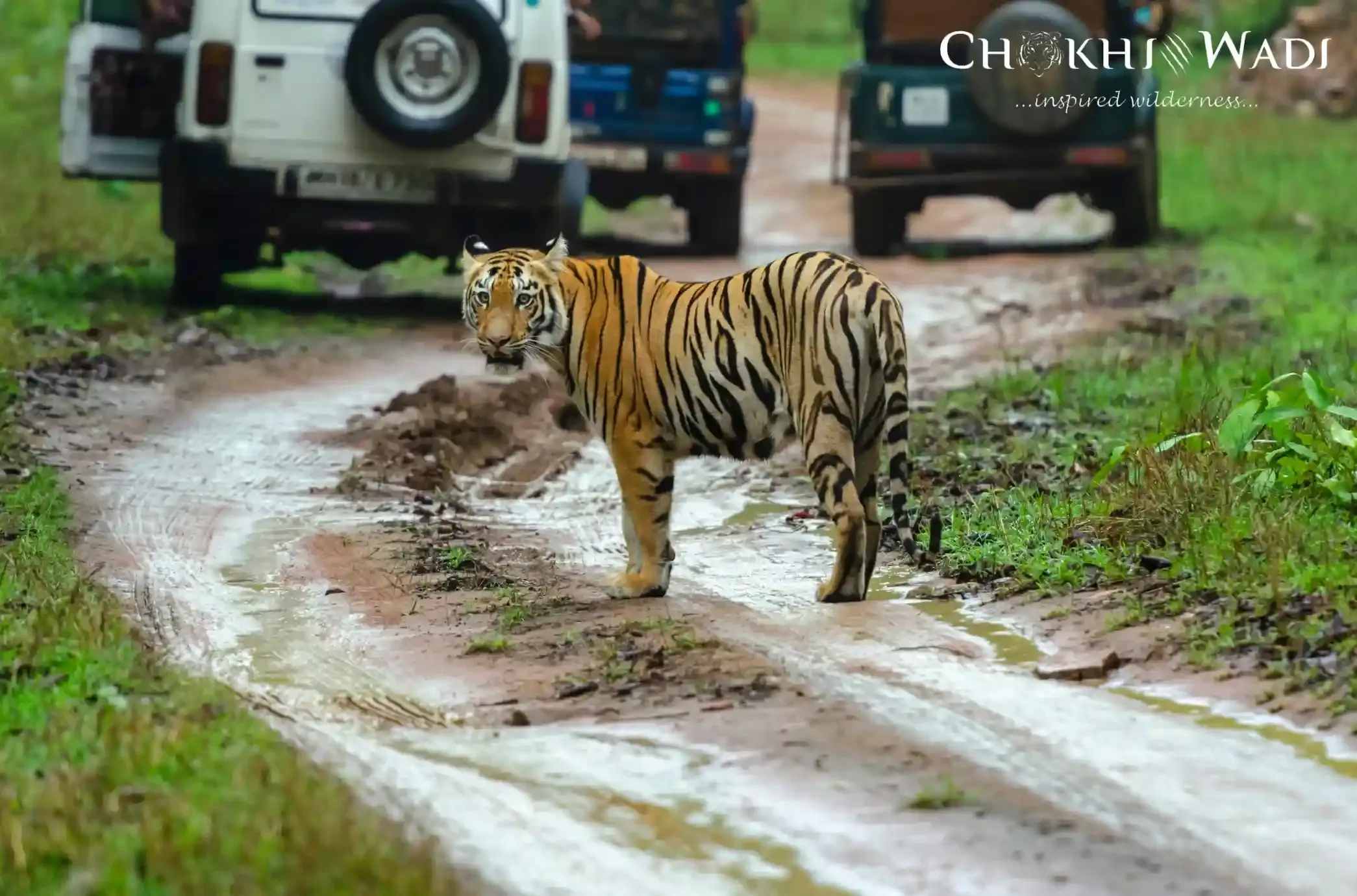
After the thrilling yet contemplative experience at Bhangarh, prepare for an exhilarating adventure into the wild at the Sariska Wildlife Sanctuary. This Tiger Reserve is a haven for wildlife enthusiasts and offers a thrilling opportunity to spot the majestic Bengal tiger, along with leopards, sambar deer, chital, nilgai, wild boars, and a diverse array of birdlife. The sanctuary is open from January to June and then from September to December, remaining closed in July and August due to the monsoon.
Booking a jeep or canter safari is essential for exploring the reserve. Safaris are typically conducted in morning and evening slots. The timings vary slightly with the seasons, so it’s advisable to check the current schedule. As of July 2025, the general safari timings are:
- Morning: 6:00 AM – 9:30 AM (April 1st to May 15th), 6:30 AM – 10:00 AM (February 1st to March 31st & October 1st to October 31st), 7:00 AM – 10:30 AM (November 1st to January 31st).
- Evening: 3:00 PM – 6:30 PM (April 1st to May 15th), 2:30 PM – 6:00 PM (February 1st to March 31st & October 1st to October 31st), 2:00 PM – 5:30 PM (November 1st to January 31st).
Sariska is divided into various zones, and while tigers can be seen in many of them, the success of a sighting depends on luck and the movements of the animals. Guides accompanying the safaris are highly knowledgeable about the wildlife and their habitats, enhancing your chances of a memorable sighting. Remember to carry binoculars for better viewing and a camera to capture the breathtaking moments. The thrill of spotting a tiger in its natural habitat is an experience that will stay with you long after you leave Sariska.
Pandupol Hanuman Mandir: A Mythological Gateway (Saturday/Tuesday only)
If your second day falls on a Saturday or Tuesday, a visit to the Pandupol Hanuman Mandir is highly recommended. This temple, nestled within the Sariska Tiger Reserve, derives its name from a compelling legend narrated in the epic Mahabharata. It is believed that the Pandavas, during their exile, constructed this temple, making it approximately 5000 years old.
The most famous story associated with Pandupol involves Bhima, known for his immense strength. During his wanderings in the forest, he encountered an old, frail monkey obstructing his path. Bhima, with a touch of arrogance, asked the monkey to move. The monkey, unable to move due to his age, challenged Bhima to move him. Despite his efforts, Bhima couldn’t budge the monkey’s tail, realizing it was no ordinary creature. It was Lord Hanuman, who wished to teach Bhima humility. Hanuman then revealed his true form, blessed Bhima and the other Pandavas, and created a “Pol” (a natural opening or gate) in the rocks, through which the Pandavas are believed to have passed. Hence the name “Pandupol.”
The temple’s architecture blends traditional Rajasthani style with intricate craftsmanship. The sanctum sanctorum houses a unique idol of Lord Hanuman in a reclining posture. Beyond its spiritual significance, the temple’s location offers stunning natural beauty, with the Aravalli range forming a majestic backdrop. On Saturdays and Tuesdays, the temple is thronged by hundreds of devotees, creating a vibrant atmosphere of devotion. If your travel dates align, this site offers a powerful blend of mythology, history, and natural splendor.
Day 3: Hidden Waterfalls, Sacred Caves, and Tranquil Retreats
Your final day in Ajabgarh offers a chance to explore more of its natural beauty and delve into lesser-known spiritual sites.
Sagar K Waterfall: Nature’s Refreshing Cascade
Start your day with a visit to the Sagar K Waterfall. While specific details about this particular waterfall in Ajabgarh are not as widely documented as some of the other attractions, waterfalls in Rajasthan, especially after the monsoon, offer a refreshing contrast to the arid landscape. The “best time to visit” waterfalls in this region is typically right after the monsoon season (September to November) when the water flow is at its peak, and the surrounding greenery is lush. However, even in other seasons, the peaceful ambiance and natural beauty around such sites can be captivating. Enquire locally for the best route and any specific seasonal considerations. A walk to the waterfall can be a rejuvenating experience, allowing you to connect with nature’s serene rhythm.
Sarsa Mata Temple: A Cave Shrine of Devotion
Next, seek out the Sarsa Mata Temple. This ancient and renowned temple is located in the Alwar district, between Gola Ka Bas and Tehla. The idol of Sarsa Mata is uniquely formed on a rock within a cave, making it a distinctive pilgrimage site. The temple complex, originally a small structure, has been developed over time by a temple trust, now featuring a pleasant environment with various trees and plants, making it a delightful spot for visitors. Sarsa Mata holds immense popular belief, and devotees express their faith through pilgrimages, night vigils (ratri jagran), community meals (sawamani, goth), and other events throughout the year. The tranquil and devotional atmosphere of this cave temple offers a unique spiritual experience, connecting you with local customs and unwavering faith.
A Leisurely Afternoon
After exploring the waterfall and the cave temple, you have the flexibility to choose how to spend your afternoon, depending on your interests and energy levels. You could revisit a favorite spot, indulge in some local cuisine, or simply relax at your retreat.
Your Retreat: Chokhiwadi Forest Retreat
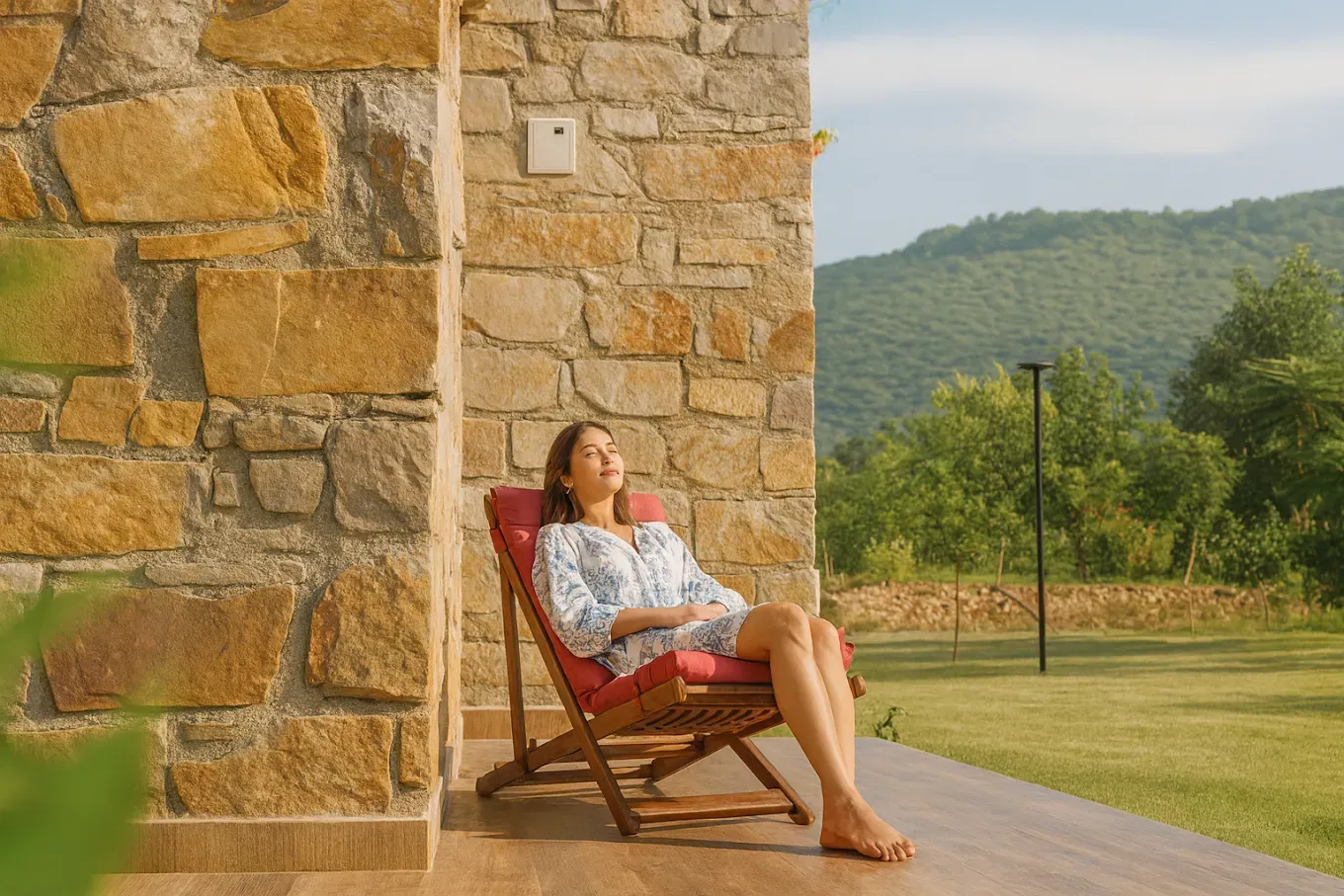
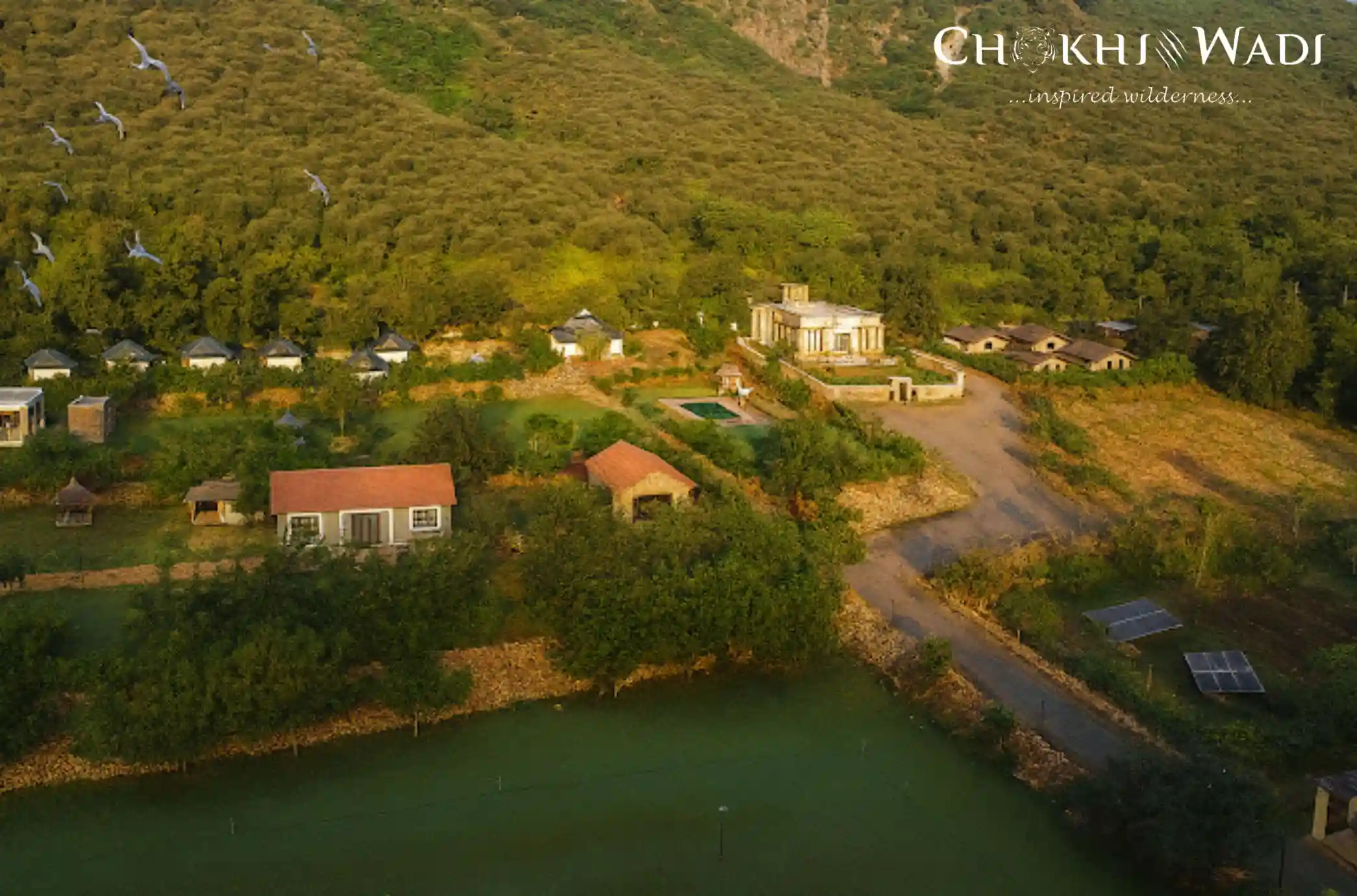
For an immersive and truly unique experience in Ajabgarh, your stay at Chokhiwadi Forest Retreat is highly recommended. This retreat isn’t just a place to sleep; it’s an experience in itself, designed to connect you with the local culture and the pristine natural surroundings. Chokhiwadi goes beyond typical hospitality by offering a range of curated activities. Imagine enjoying authentic Rajasthani flavors under the starlit sky during their open-air cookouts, or gazing at distant constellations through powerful telescopes during their dedicated astronomy sessions. Their village walks provide an intimate glimpse into rural life, while outdoor high teas offer a chance to relax amidst the serene landscape. For a truly romantic and unforgettable evening, their moonlight dinners are a highlight. Chokhiwadi Forest Retreat blends luxury with an authentic Rajasthani experience, ensuring your downtime is as enriching as your explorations.
Planning Your Trip: Practical Tips for a Seamless Journey
To ensure your 3-day Ajabgarh adventure is smooth and enjoyable, here are some practical tips:
- Best Time to Visit: The ideal time to visit Ajabgarh and its surrounding areas is from October to March. The weather during these months is pleasant, making it comfortable for sightseeing and outdoor activities. Summers (April to June) can be extremely hot, with temperatures soaring.
- Getting There:
- By Air: The nearest airport is Jaipur International Airport (JAI), approximately 90-100 km from Ajabgarh. From Jaipur, you can hire a taxi or take a bus.
- By Rail: The nearest railway station is Alwar Junction (AWR), about 50 km from Ajabgarh. Taxis and local transport are available from Alwar.
- By Road: Ajabgarh is well-connected by road to major cities like Jaipur, Alwar, and Delhi. A private vehicle offers the most convenience and flexibility for exploring the various sites.
- Local Transportation: For getting around Ajabgarh and visiting the various attractions, hiring a private taxi or a local auto-rickshaw for the day is the most convenient option. Some resorts, like Chokhiwadi, might also offer transportation services or assist in arranging them.
- Accommodation: While this blog focuses on the Chokhiwadi Forest Retreat, Ajabgarh and its vicinity offer a range of accommodation options, from luxury resorts to budget-friendly guesthouses. It’s advisable to book your stay in advance, especially during peak season.
- Food: Indulge in authentic Rajasthani cuisine, known for its rich flavors and spicy notes. Don’t miss out on local delicacies like Dal Baati Churma, Gatte ki Sabzi, and various traditional sweets. Many restaurants and dhabas (roadside eateries) offer delicious local fare.
- What to Pack:
- Light, comfortable clothing, especially if traveling during warmer months.
- Sunscreen, sunglasses, and a hat to protect against the strong Rajasthani sun.
- Comfortable walking shoes are essential for exploring forts, stepwells, and temples.
- A light jacket or shawl if traveling during winter evenings, as temperatures can drop.
- Insect repellent, especially for jungle safaris and outdoor activities.
- Camera and extra batteries to capture the stunning landscapes and historical sites.
- Respect Local Customs: Rajasthan is known for its rich cultural heritage. Dress modestly when visiting religious sites, and always ask for permission before taking photographs of people.
- Hydration: Carry sufficient water bottles, especially during day excursions, to stay hydrated in the dry climate.
- Sariska Safari Booking: For Sariska Wildlife Safari, it’s highly recommended to book your safari slots online in advance, as there is a limited number of seats. Have your ID proof ready, as it’s required for entry.
- Pandupol Access: Remember that Pandupol is inside the Sariska Tiger Reserve, so entry rules and timings of the park will apply. It’s only accessible on Saturdays and Tuesdays.
- Local Guides: Consider hiring a local guide for places like Bhangarh Fort or Sariska Wildlife Sanctuary. Their insights can enrich your experience with historical facts, local legends, and wildlife spotting tips.
- Emergency Contacts: Keep a list of emergency contacts, including your hotel, local police, and medical services.
A Journey Beyond the Ordinary
Ajabgarh, with its captivating blend of history, mystery, and natural beauty, offers a refreshing alternative to the more frequented tourist destinations of Rajasthan. From the intriguing ruins of its forts and the architectural marvels of its stepwells to the serene ambiance of its temples and the thrilling encounters in its wildlife sanctuary, every corner of this region tells a story.
Whether you’re a history buff fascinated by ancient legends, a spiritual seeker drawn to sacred sites, or a nature lover yearning for wilderness adventures, Ajabgarh has something unique to offer. The tranquility of the Aravallis, the vibrant hues of Rajasthani culture, and the warm hospitality of its people create an experience that is both enriching and deeply memorable.
So pack your bags, prepare to be enchanted, and embark on a 3-day odyssey to Ajabgarh. It’s a journey that promises not just sights, but stories, whispers from the past, and a profound connection with the soul of Rajasthan. Come, discover the hidden treasures of Ajabgarh, and let its timeless charm leave an indelible mark on your traveler’s heart.