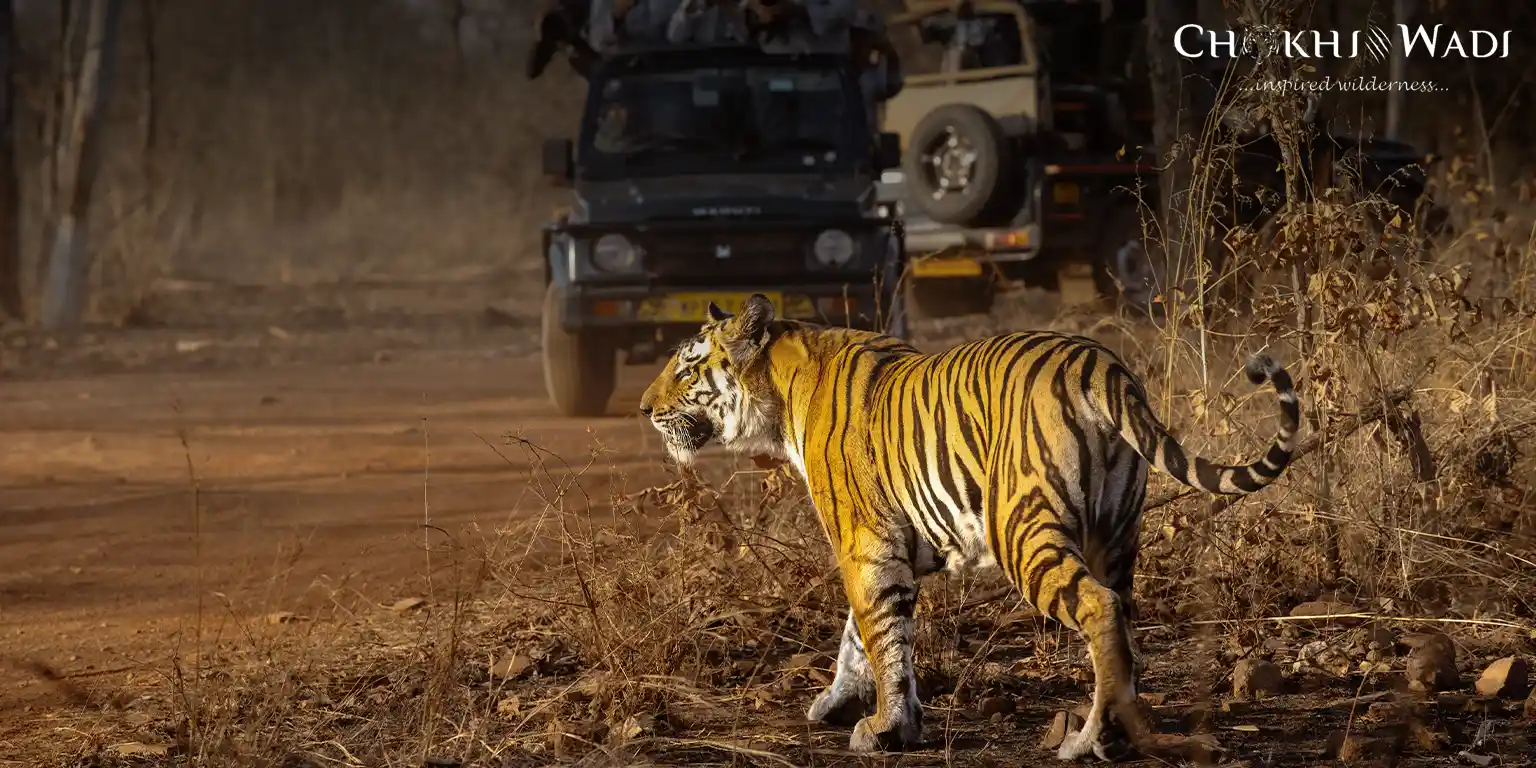
There’s a very specific kind of debate that happens in every jeep at Sariska Tiger Reserve, usually somewhere around the second waterhole. Someone leans over and asks, “Should we have done the morning slot instead?” And the honest answer is: it depends who’s asking, and what they’re hoping to see.
Sariska isn’t Ranthambore. It doesn’t hand you tiger sightings on a plate. It’s quieter, less crowded, more forested, and a little more unpredictable — which is exactly why the morning-versus-evening question matters more here than at most other reserves. Pick the wrong slot for the wrong season, and you might spend two hours admiring very photogenic trees. Pick the right one at Sariska Tiger Reserve, and you could walk away with the kind of sighting people talk about for years.
Let’s break down both options properly.
The Case for the Morning Safari
Morning safaris at Sariska usually run from around 6:00 AM to 6:30 AM start time in summer (adjusting slightly later in winter, closer to 7:00 AM), and last roughly three hours.
The biggest argument in favour of mornings is animal activity. Most wildlife in Sariska — tigers included — are more active in the cooler hours right after sunrise. Predators that have spent the hot midday hours resting in shade tend to move, hunt, or head toward waterholes early in the day. If you’re specifically hoping for a tiger sighting, guides and forest staff will almost always tell you morning odds are marginally better, particularly in the cooler months.
There’s also the light. Early morning sun in Sariska has that soft, golden quality that photographers chase — long shadows, warm tones, mist still clinging to the lower valleys in winter. If you’re bringing a proper camera, mornings are hard to beat visually, even on days when animal sightings are modest.
The trade-off is the temperature and the wake-up call. Winter mornings in Sariska can be genuinely cold — think single digits Celsius before sunrise — so you’ll want proper layers, a jacket, maybe even gloves if you’re visiting in December or January. And yes, you will need to be up well before dawn, which isn’t everyone’s idea of a holiday.
The Case for the Evening Safari
Evening safaris typically start around 3:00 PM to 3:30 PM in winter, and slightly later, closer to 4:00 PM, in summer, running until the park closes around sunset.
Evenings have their own charm. As the heat of the day breaks, animals begin moving again, particularly toward water sources — this is a great window for spotting sambar deer, chital, nilgai, and peacocks congregating near lakes and streams. Evening light, much like morning light, is soft and warm, and there’s something atmospheric about watching the forest settle into dusk, with birdcalls changing and the light turning amber over the Aravalli ridgelines.
Evening safaris are also, practically speaking, easier to manage. No pre-dawn alarm, no scrambling in the dark to get dressed and out the door. If you’re travelling with kids, elderly family members, or just aren’t a morning person, the evening slot removes a lot of friction without costing you much in terms of experience.
The one thing evenings don’t offer as reliably is that prime tiger-activity window. Tigers can absolutely be spotted in the evening — plenty of visitors have had excellent evening sightings — but statistically, the odds tip slightly toward mornings, especially in the hotter months when big cats avoid moving until the sun is properly down.
So, Which Is Actually Better?
If tiger sightings are your single priority and you’re flexible about waking up early, go with the morning safari. It’s the safer bet, particularly between October and March when the forest floor is drier and animal movement near open areas is easier to track.
If you care more about overall wildlife variety, photography light, and general ambience — and you’d rather not set an alarm at 5 AM on holiday — the evening safari is a very satisfying alternative, and honestly, for many travellers, more enjoyable overall.
Here’s the move seasoned Sariska visitors often make: if you have two safari slots available (which most people planning a full day do), book one morning and one evening. The two experiences genuinely feel different — different light, different animal behaviour, different mood in the forest — and doing both roughly doubles your chances of a memorable sighting while giving you a fuller picture of the reserve.
Animals You Can Realistically See on Safari
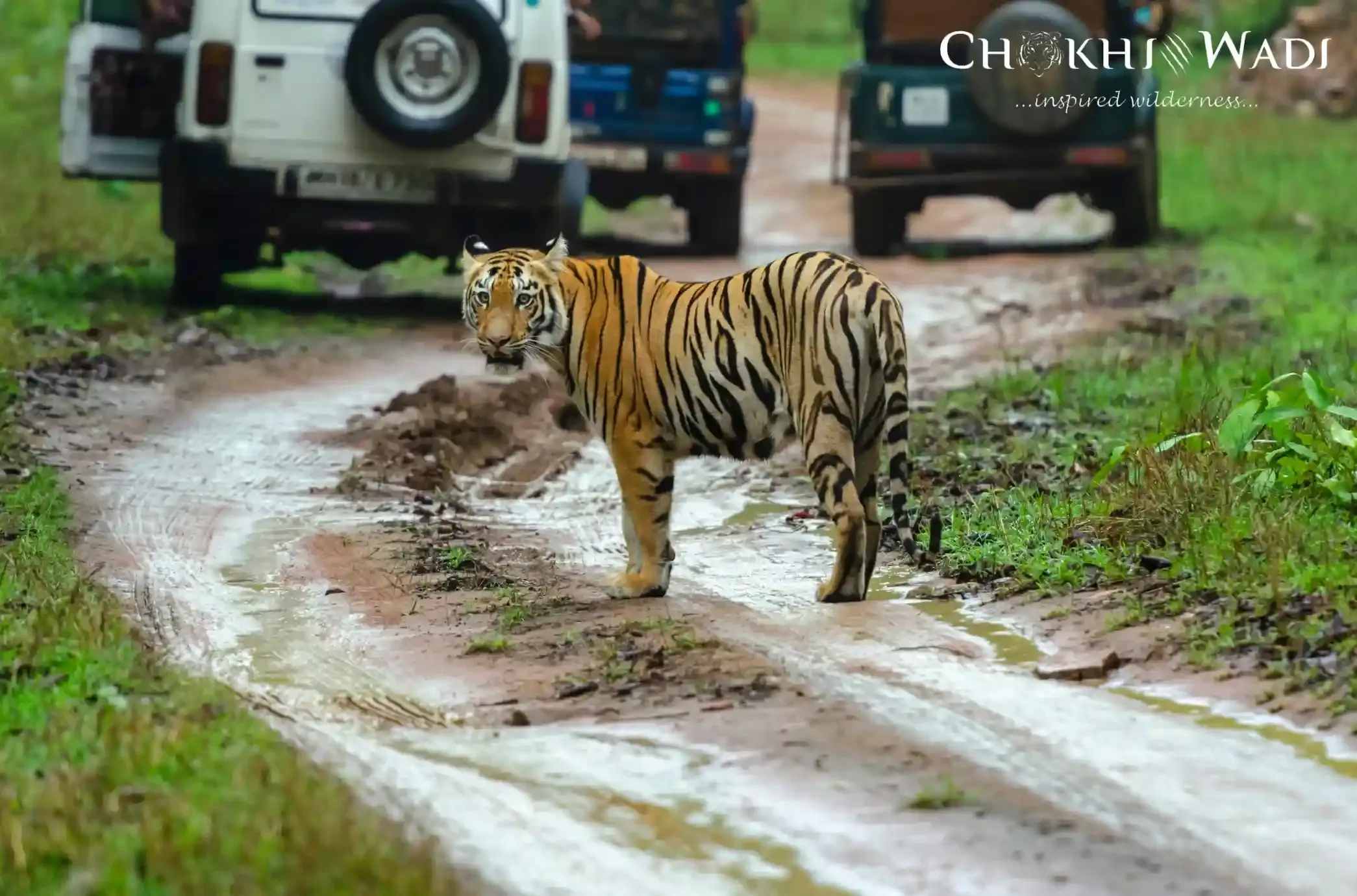
Sariska’s headline attraction is the Bengal tiger, and while sightings aren’t guaranteed (no reserve can promise that, whatever a brochure says), the population here has been steadily recovering after a well-documented reintroduction programme in the mid-2000s. Beyond tigers, keep an eye out for:
Leopards — more elusive than tigers, but present, and occasionally spotted on quieter forest tracks.
Sambar and chital deer — common, especially near water in the evenings.
Nilgai (blue bull) — Sariska’s most frequently spotted large mammal, often seen grazing in open patches.
Jackals and hyenas — more active around dusk and dawn.
Wild boar, often crossing paths in family groups.
A wide variety of birdlife, including peafowl, grey hornbills, crested serpent eagles, and a good range of migratory species in winter.
Even on a safari without a big cat sighting, Sariska rarely disappoints on the smaller wildlife front — the forest itself, with its ruined temples and forts tucked into the hills, adds a layer of atmosphere that few other reserves offer.
Best Time to See Tigers in Sariska
The window between November and April is generally considered strongest for tiger sightings, with the peak really settling in from February through April. As temperatures rise heading into summer, water sources shrink, and tigers are forced to visit fewer, more predictable waterholes — which, counterintuitively, can actually improve sighting odds for visitors willing to handle the heat. That said, April and May safaris come with serious daytime temperatures, so mornings become almost essential during this stretch, since afternoon heat can be genuinely uncomfortable in an open jeep.
Monsoon season (roughly July to September) sees the park closed for a portion of the year for ecological reasons, so if tiger spotting is your main goal, plan your visit outside these months.
Sariska Safari Tips
A few practical notes that make a real difference on the ground:
- Book in advance. Safari permits are limited per slot, and popular time windows — especially weekend mornings in winter — fill up quickly. Book online through the official Rajasthan forest department portal or through your hotel a few days ahead.
- Choose your zone wisely. Sariska is divided into multiple safari zones, and some have historically reported more consistent tiger activity than others. Ask your resort or the booking counter which zones have had recent sightings.
- Dress in layers. Especially for morning safaris in winter — you can always remove a jacket, but you can’t conjure one from nowhere at 6 AM in an open-top jeep.
- Keep noise to a minimum. Loud conversation and sudden movement are the fastest way to scare off wildlife before you’ve even seen it.
- Carry binoculars and a zoom lens. Sightings are often at a distance, and a decent zoom will serve you far better than a wide-angle lens.
- Manage expectations. No safari can guarantee a tiger sighting. Go in appreciating the forest, the birdlife, and the overall experience, and treat a big cat encounter as the bonus it genuinely is.
- Stay hydrated but pack light. Safari jeeps have limited space, and long stretches without stops mean you’ll want water on hand without excess baggage slowing down entry and exit at checkpoints.
Resorts Near Sariska Tiger Reserve
Where you stay can shape the whole experience, especially if you’re doing both a morning and evening slot on the same day.
- Sariska Tiger Heaven — a well-regarded property close to the reserve entrance, popular for its proximity and comfortable rooms, ideal for early starts.
- Sariska Palace — a heritage hotel with genuine royal history, offering a more atmospheric, old-world stay for travellers who want their accommodation to match the destination’s character.
- The Bagh, A Sariska Retreat — known for its landscaped grounds and relaxed resort feel, a good option for families or longer stays.
- RTDC Tiger Den — a reliable, government-run option offering straightforward comfort at a more accessible price point.
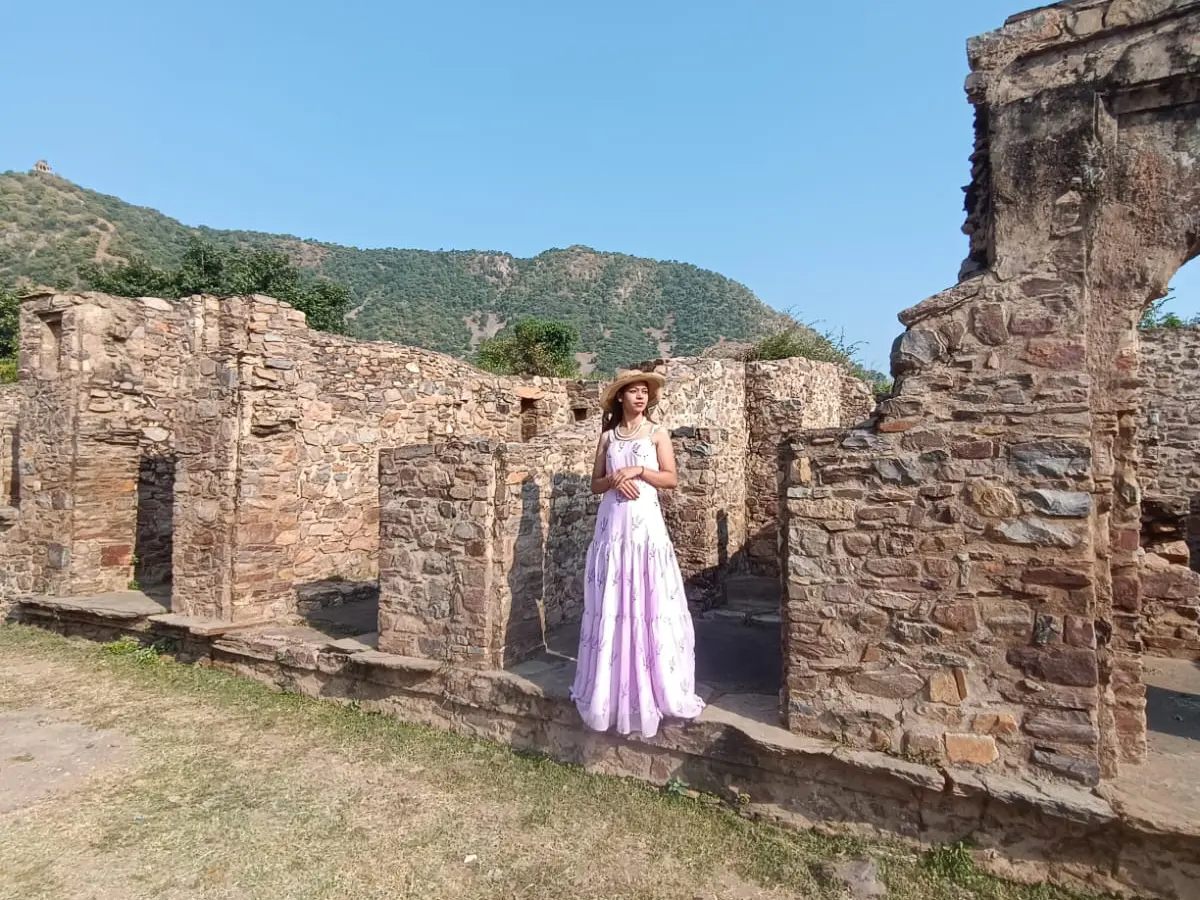
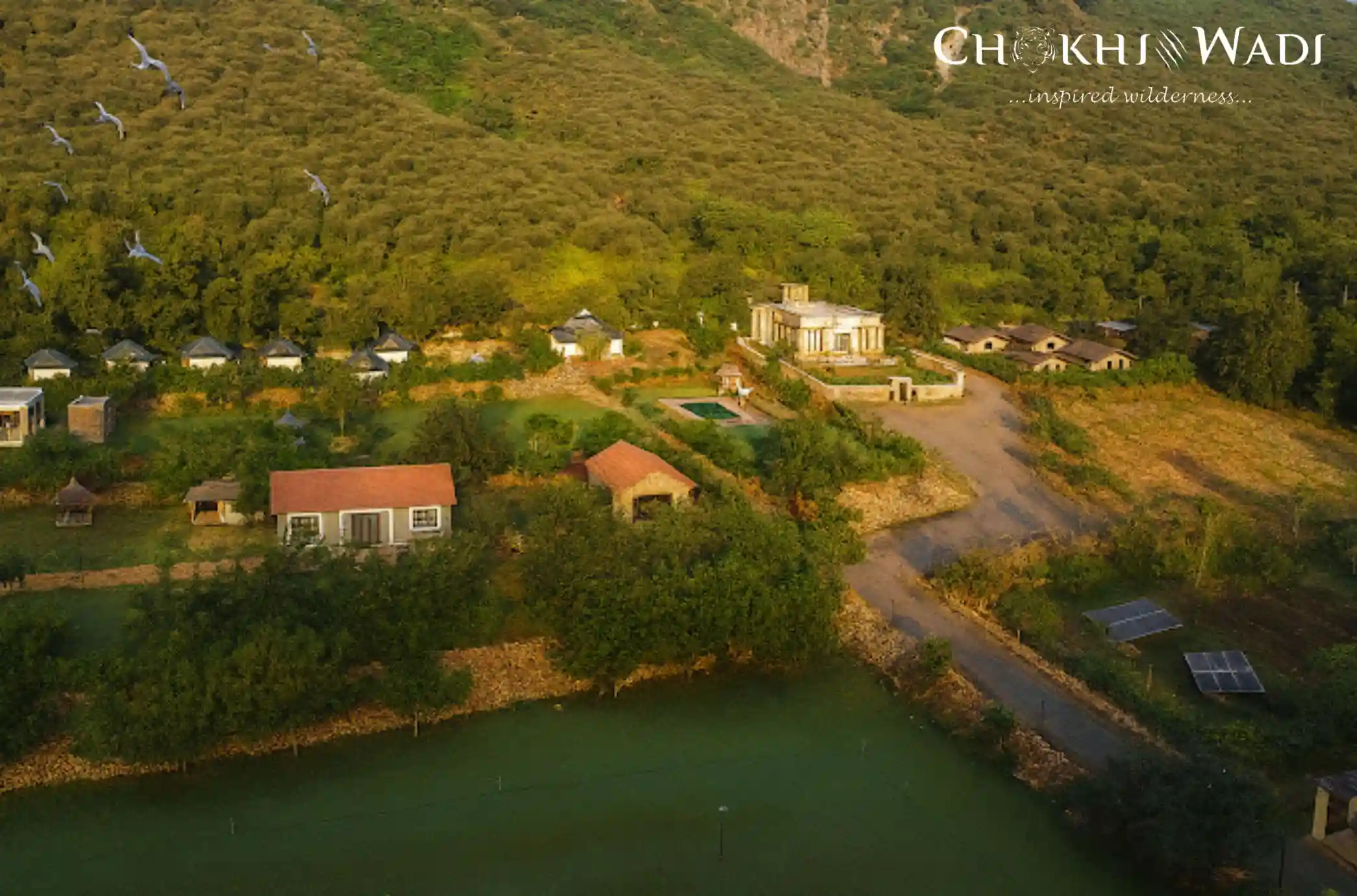
Most of these properties sit within a short drive of the park entrance, which matters more than it might seem — shaving even fifteen minutes off your commute can be the difference between arriving at the gate right on time for a golden-light morning slot, or missing that first crucial hour when the forest is at its most active. And if you also want to visit other places like Bhangarh and Ajabgarh, then staying at Chokhiwadi would be a convenient choice for exploring both attractions. This resort in Sariska gives you a perfect opportunity to experience traditional Rajasthani culture and a peaceful nature retreat.
Final Thought
There’s no single correct answer to morning versus evening at Sariska — only the version that suits your travel style, your tolerance for early mornings, and how much you’re willing to bet on catching a tiger versus simply enjoying the forest as it is. If you can manage it, do both. And if you can only pick one, let the season and your own energy levels decide — because either way, Sariska rewards patience far more than it rewards planning.