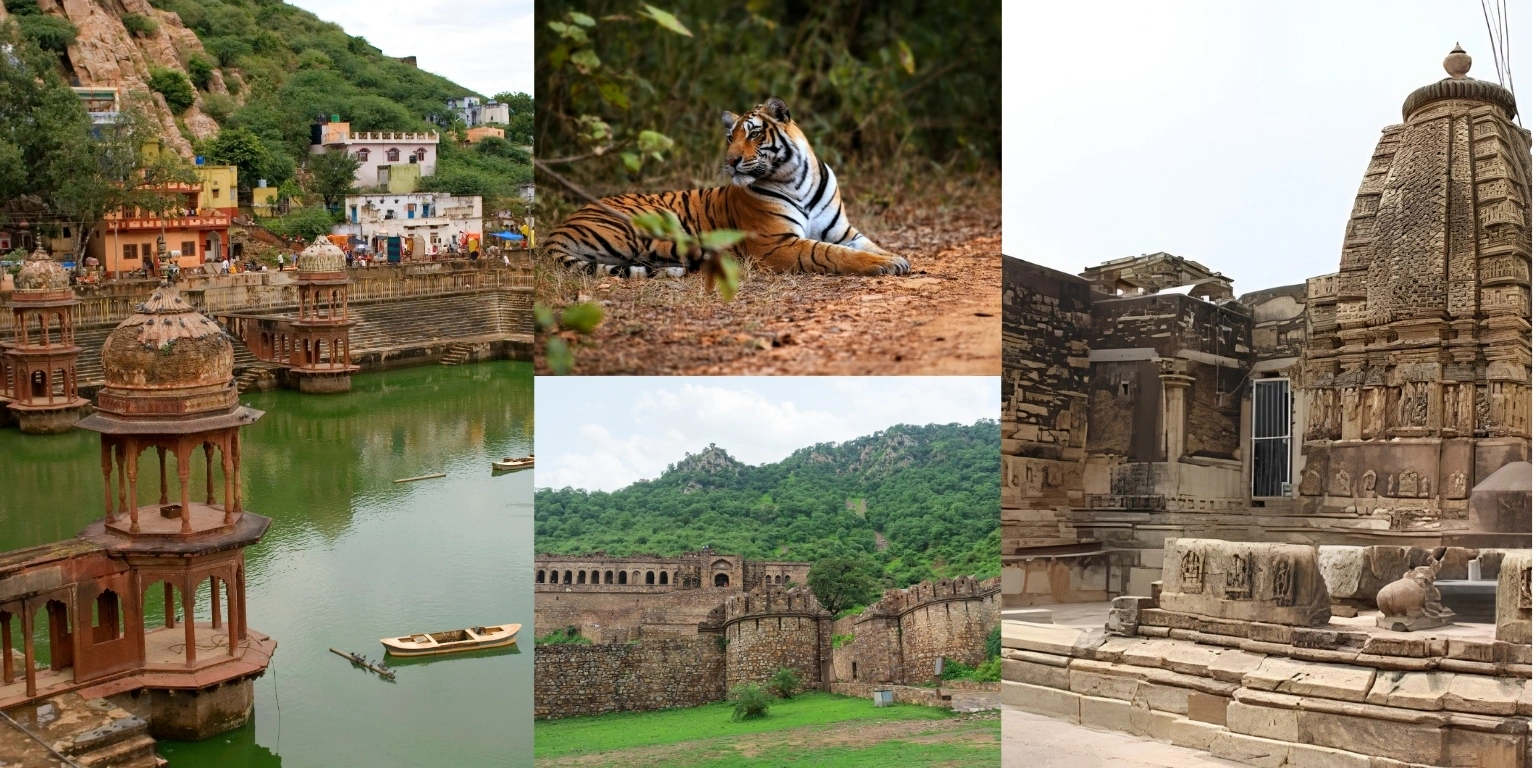
The Aravalli Range doesn’t just hold history; it swallows it. For most, a weekend in Sariska is a binary mission: see a tiger or consider the trip a failure. But this 800-square-kilometre stretch of dry deciduous forest is a masterpiece of layers, where 10th-century ruins and cosmic dark skies offer a far more nuanced escape than a simple checklist of “sightings.”
If you have 48 hours to burn, this is how you navigate the grit and the grandeur of the Alwar hills.
The Pre-Dawn Strategy: Tracking the Pulse of the Forest
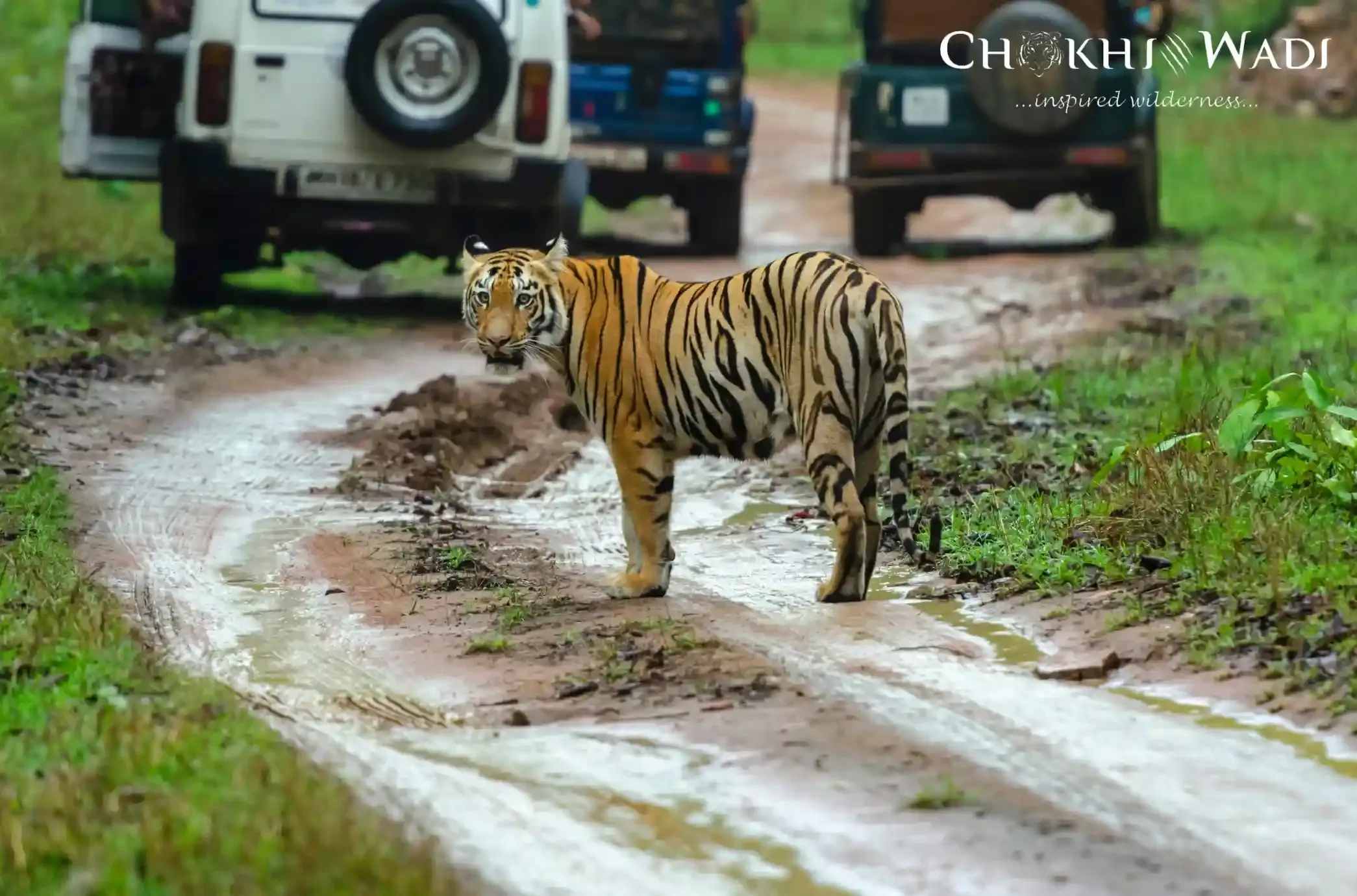
The morning mist in Sariska is thick enough to muffle the roar of a diesel engine. Most visitors rush for the noisy Canters, but the real way to experience the park’s interior is via a private Jeep. The primary things to do in Sariska start here, at the intersection of the Kali Ghati and Pandupol tracks.
Don’t just look for orange fur. Watch the langurs. Their alarm calls are the forest’s early warning system—a frantic, staccato bark that telegraphs a predator’s movement long before you see a whisker. Between the sightings, look at the trees. The Anogeissus pendula (Dhok) dominates the landscape, turning from a ghostly silver in the dry season to a vibrant emerald during the rains. It is a lesson in survival that far outlives any vacation. The forest floor is a literal newspaper; if you know how to read the pugmarks in the soft dust, you can tell exactly who passed by—and how recently.
The Vertical Trek: Kankwari’s Gilded Prison
Deep within the core zone, Kankwari Fort demands a physical commitment. This isn’t a manicured city palace; it’s a rugged, uphill climb to a site of profound Mughal tragedy. Standing on the ramparts where Dara Shikoh—the scholar prince—was once held prisoner by his brother Aurangzeb, the silence is heavy.
The view from the top offers a literal map of the ecosystem: the seasonal streams, the dense clusters of date palms, and the jagged quartzite ridges that have remained unchanged since the 17th century. It is a rare chance to see the jungle from a hawk’s perspective, far removed from the dust and chatter of the safari tracks below. You can almost feel the weight of the crown—and the cost of losing it—in the stones themselves.
The Ruin of Neelkanth: A City of Stone
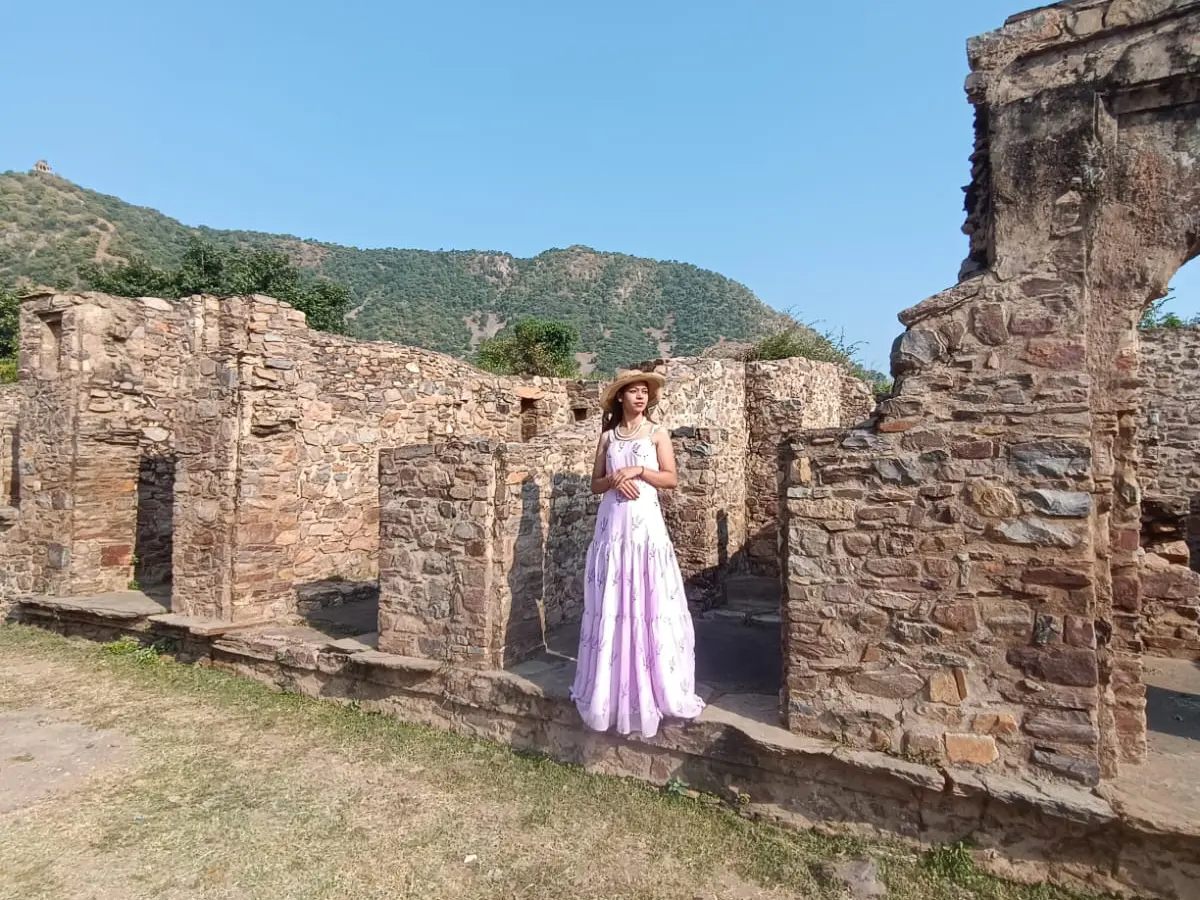
If you head deeper into the isolation of the hills, you encounter the Neelkanth Mahadev temple complex. Built between the 6th and 10th centuries, this was once a sprawling metropolis of over 300 temples. Today, a singular, massive shrine stands amidst a graveyard of exquisite carvings.
The detail here is violent in its precision—celestial dancers and deities carved into sandstone that has withstood a millennium of sun and wind. It requires a brutal, bone-jarring drive to reach, but for those who value historical depth over easy accessibility, it is the most rewarding of all things to do in Sariska. It serves as a reminder that before the forest reclaimed this land, man tried to carve his immortality into it.
Dark Sky Immersion: A Cosmic Shift
As the sun dips behind the Aravalli spine, the real show begins. Sariska is a designated dark-sky zone, a rare pocket of North India where light pollution from the NCR hasn’t yet drowned out the heavens.
Choosing between the various resorts in Sariska becomes a matter of who respects the night. Some properties offer high-fidelity stargazing, utilizing serious equipment like an 8-inch Dobsonian telescope. This isn’t just “looking at stars”; it’s about tracking the rings of Saturn or the moons of Jupiter with startling clarity. There is a deep, humbling perspective to be found in tracking a galaxy while a leopard might be prowling just a few hundred meters away in the scrub.
The Rewilding Philosophy: Where to Anchor Your Weekend
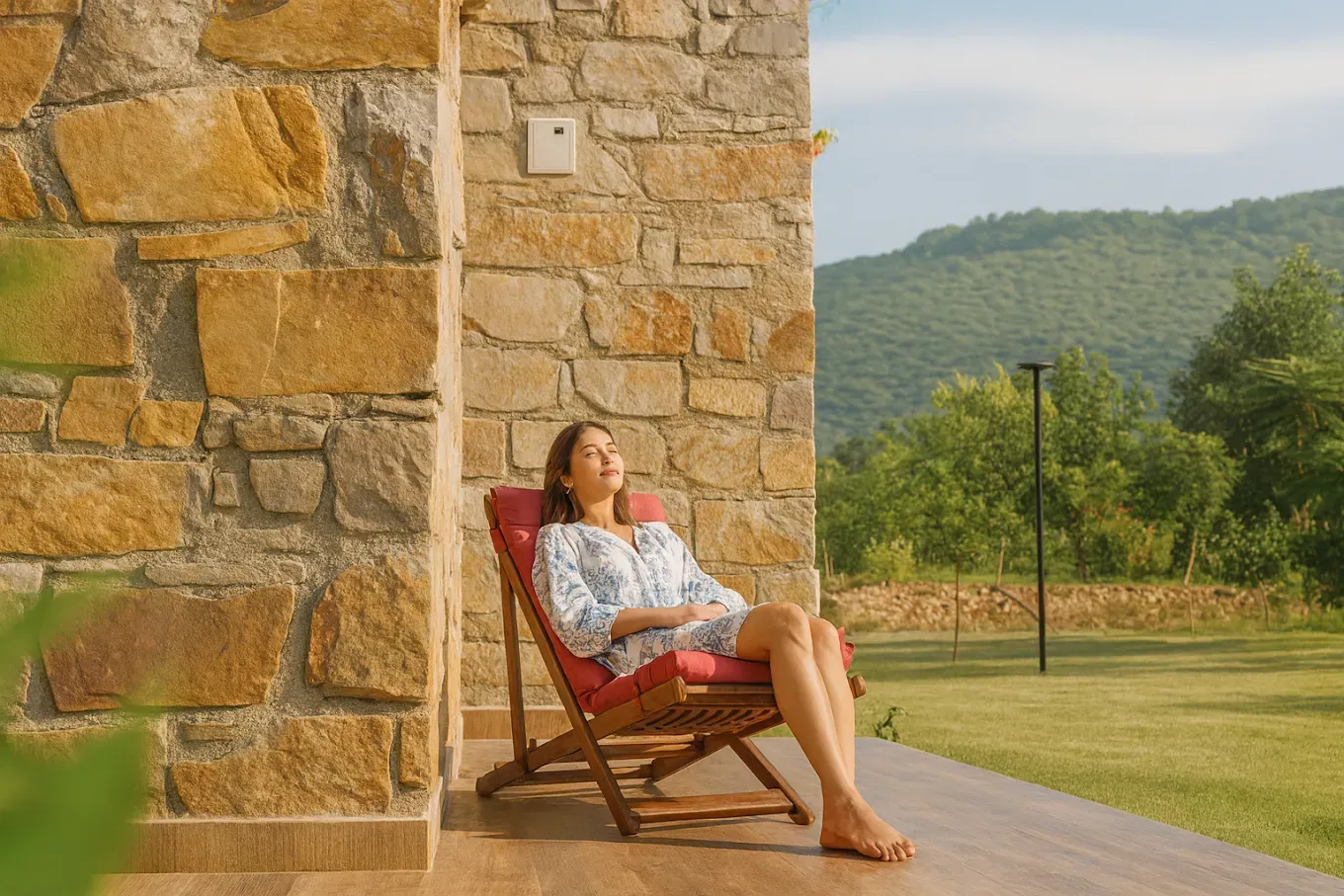
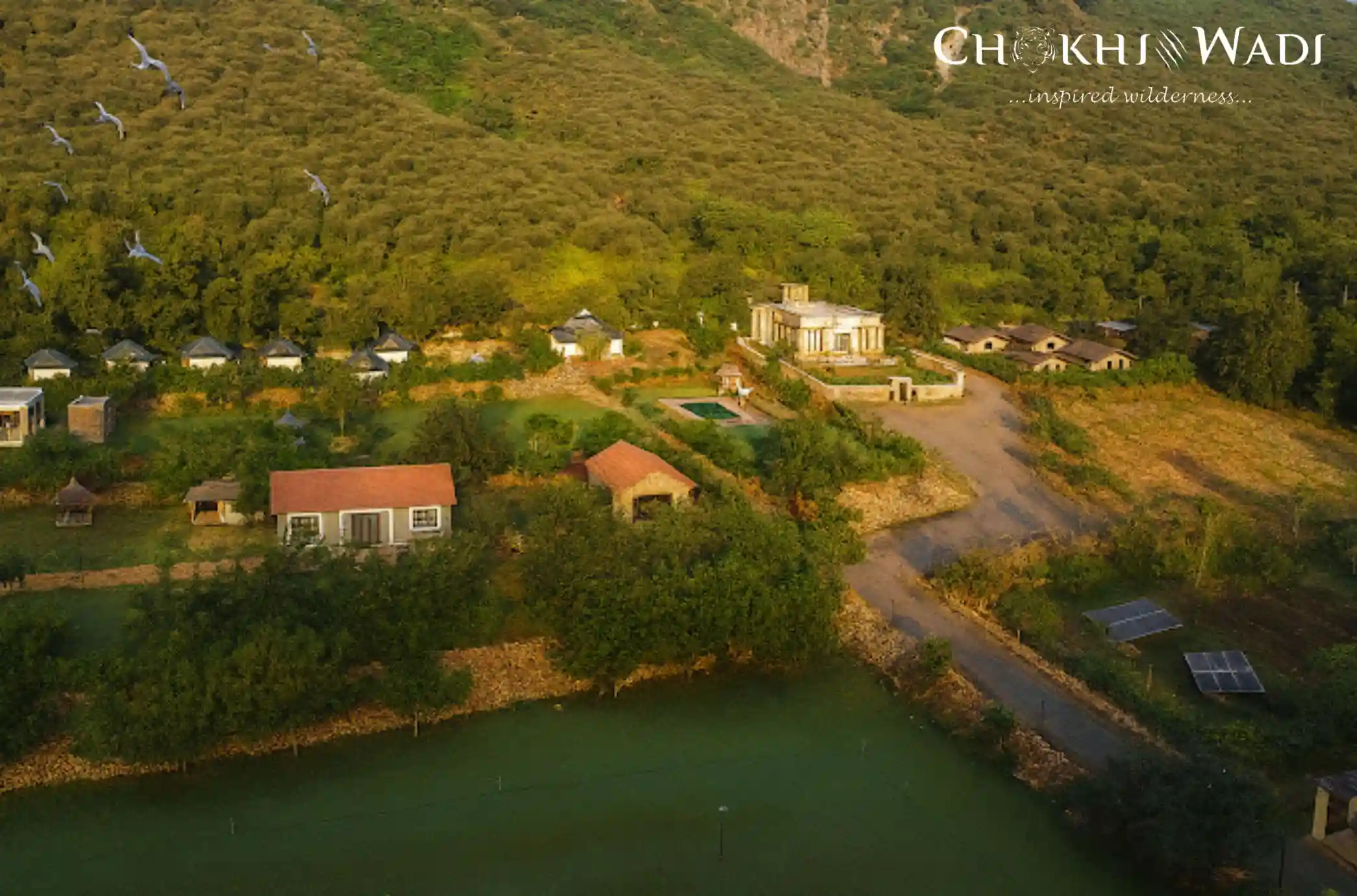
The choice of accommodation defines the texture of your trip. While many resorts in Sariska offer standard luxury, there is a growing movement toward “rewilding”—the process of letting the land return to its natural state.
Take, for instance, the transformation of once-barren, rocky wasteland into a lush canopy of 20,000 trees. Staying in such a micro-climate changes the experience; you wake up to a choir of local birdlife and the scent of wild herbs rather than the hum of an air conditioner. It’s about being a guest of the forest, not just a spectator. These spaces often act as corridors for wildlife, meaning your “safari” might actually begin at your doorstep.
Farm-to-Table: The Culinary Pulse of the Aravallis
A weekend shouldn’t end with buffet-style genericism. The local food here is a reflection of the terrain: tough, spicy, and resilient. The best culinary experiences in the region are those that lean into the “Slow Travel” rhythm—where the ingredients are pulled from organic gardens just steps from the kitchen.
Whether it’s a traditional Rajasthani Laal Maas that carries the heat of the desert or a subtly spiced Bengali dish reflecting the diverse heritage of the region’s hosts, the food is the final layer of the Sariska experience. It is the taste of a land that gives nothing for free, but rewards those who pay attention. It’s about the crunch of farm-fresh vegetables and the smoky aroma of slow-cooked meats that have simmered over a wood fire.
The Pandupol Pilgrimage: A Natural Defiance
Finally, no weekend is complete without a visit to Pandupol. This is a natural rock bridge, a geological anomaly where a spring cascades through a narrow opening in the cliff face. Legend has it that Bhima created this path with a single blow of his mace.
On Tuesdays and Saturdays, the forest road opens to pilgrims, creating a strange, temporary intersection of faith and wilderness. The sheer scale of the rock arch is a testament to the power of water and time—a fitting end to a journey through a landscape that refuses to be tamed.
Conclusion
Sariska is not a theme park. It is a rugged, ancient landscape that requires you to trade speed for observation. You might leave without a tiger photo, but if you’ve walked the ruins of Neelkanth, tracked the Milky Way from a forest clearing, or breathed the air of a rewilded forest, you haven’t missed a thing. You’ve simply seen the parts most people are too hurried to notice.
FAQs
What are the best things to do in Sariska over a weekend?
A weekend in Sariska usually includes a safari, visiting places like Kankwari Fort or Pandupol, and spending quiet time in nature. Stargazing and trying local food also add to the overall experience without making it feel rushed.
Should I choose a Jeep safari or a Canter in Sariska?
A Jeep safari is usually a better choice if you want a quieter and more flexible experience. Canters are larger and more crowded, while jeeps allow you to move more easily and spend time observing things properly.
How likely is it to spot a tiger in Sariska Tiger Reserve?
Tiger sightings in Sariska are possible but not very common. The reserve has fewer tigers, so it depends on luck, timing, and the route. Even without sightings, the forest experience itself is still worth it.
What food options are available in Sariska?
Most places in Sariska serve a mix of Rajasthani, North Indian, and some simple global dishes. Many stays have fresh, locally sourced food, so meals feel simple, homely, and connected to the region.
Is Sariska suitable for family trips?
Yes, Sariska is a good option if you’re thinking of a family trip. It is easy to manage the safaris, and there is enough space for everyone to feel comfortable. It is also suitable for kids and elders if you’re thinking of a relaxed short trip.