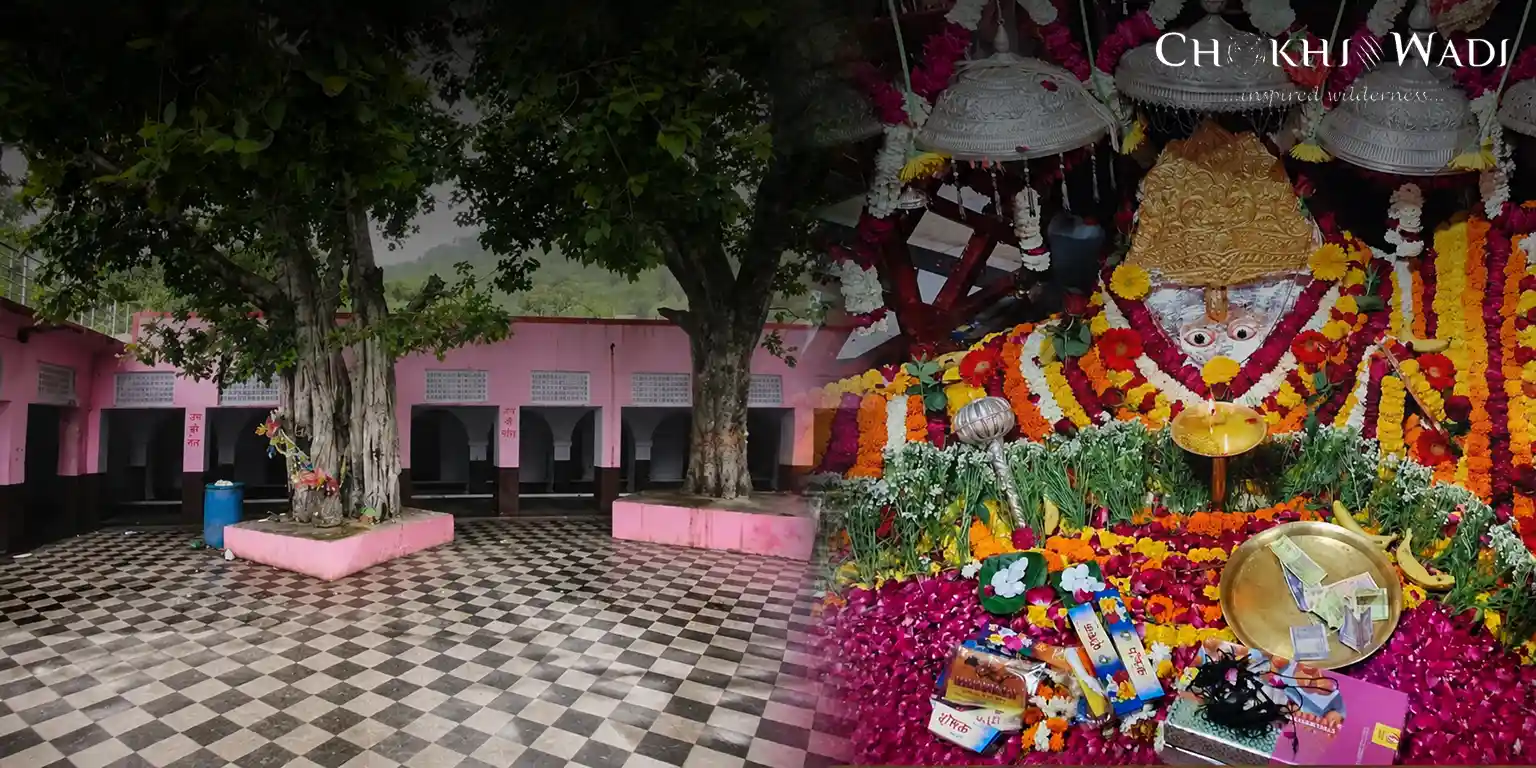
No priest around. No other people anywhere nearby. Just wind. That wind was moving through the old stone tower of Pandupol Hanuman Mandir — right at the far end of Sariska Tiger Reserve — and it was making the brass bells ring on their own. That sound rolled out over the rocky gorge slowly, like someone was making an announcement nobody asked for. Our driver, a man who rarely says anything, held the steering wheel and kept quiet. Honestly, that was exactly right.
Most visitors come to Sariska hoping to spot a tiger. Which makes sense — and you should. But the people who go home carrying something heavier in their chest, something they can’t quite name, are usually the ones who made it down a bumpy, broken forest track — around 22 kilometres past the main gate — to this particular hidden Gem of the Aravalli hills. Pandupol Hanuman Mandir in Sariska isn’t a side trip. Depending on who you are and how you see things, it’s either the whole reason you came — or the best surprise the whole journey had hiding up its sleeve.
The Temple and the Story Behind It
The story of this temple is tangled up with the Mahabharata — one of the oldest and greatest stories ever told in India. This is the place where the Pandavas, five royal brothers, are said to have rested while they were living in exile, wandering through forests with nothing. Bhima — the second brother, the giant one, the one with arms like tree trunks — is said to have split a rock here with his bare hands, tearing open a path through the mountain. That gap in the rock is the gorge you see today. Pandupol simply means Pandava gate. And Hanuman, one of the most beloved gods in all of India, is said to have blessed this very ground.
You can believe every word of that, or you can just stand there and think — wow, for thousands of years, people have been telling this story. Either way, the feeling is the same. The place is old in a way that most things simply aren’t anymore.
The murti of Hanuman inside the temple shows him lying down — resting, not standing proud and powerful like most Hanuman idols. That’s rare. Almost no other temple in Rajasthan shows him this way. The rock wall behind the inner shrine stays damp all year round, even in the driest summer months. And monkeys — real ones, wild ones — sit everywhere on the rocks above you. They don’t beg or grab like temple monkeys usually do. They just sit there, watching you from high up, like they’ve seen a thousand visitors come and go and none of them were particularly interesting.
Timings and the Practical Stuff You Actually Need to Know
The temple opens at 6:00 in the morning and closes around 6:30 in the evening. Morning and evening aarti happen daily. The biggest crowds show up on Tuesdays and Saturdays, when buses full of pilgrims from Alwar, Jaipur, and smaller nearby towns arrive and kick up huge clouds of orange dust on the dirt road. If you want peace — real quiet, just bells and birds and wind — go on a weekday morning, sometime between October and February.
There’s no entry fee for the temple itself. But you do need a forest vehicle permit because the road to Pandupol runs through tiger reserve land.
And here’s the thing most people find out too late: you cannot just drive yourself there. The reserve doesn’t allow private cars on that forest track. You need an officially registered safari vehicle and a proper permit. Don’t show up at the gate on the morning you want to go and hope things work out. They won’t. Book your vehicle through your hotel or through the forest department website — and do it at least a few days before you plan to visit.
Other Things Worth Seeing Around Sariska
Sariska is not just a one-temple, one-tiger place. Stay three nights — four if you can manage it — and the whole landscape slowly opens up and shows you what it’s hiding.
Kankwari Fort: A proper Mughal fort sitting right in the middle of the forest. This is where Emperor Aurangzeb locked up his own brother, Dara Shikoh, centuries ago. The road to get there is bumpy and a little uneven. The fort itself has never really been fixed up or restored, and that’s exactly what makes it so good. It stopped caring about looking impressive a long time ago. But the views are massive, with almost zero other visitors.
Siliserh Lake: About 13 kilometres from Alwar. A Maharaja built this lake in 1845 — specifically so a woman he loved could see water from her window every morning. The story might have grown a little in the telling over the years. But the lake itself is genuinely beautiful, especially in winter when migratory birds show up.
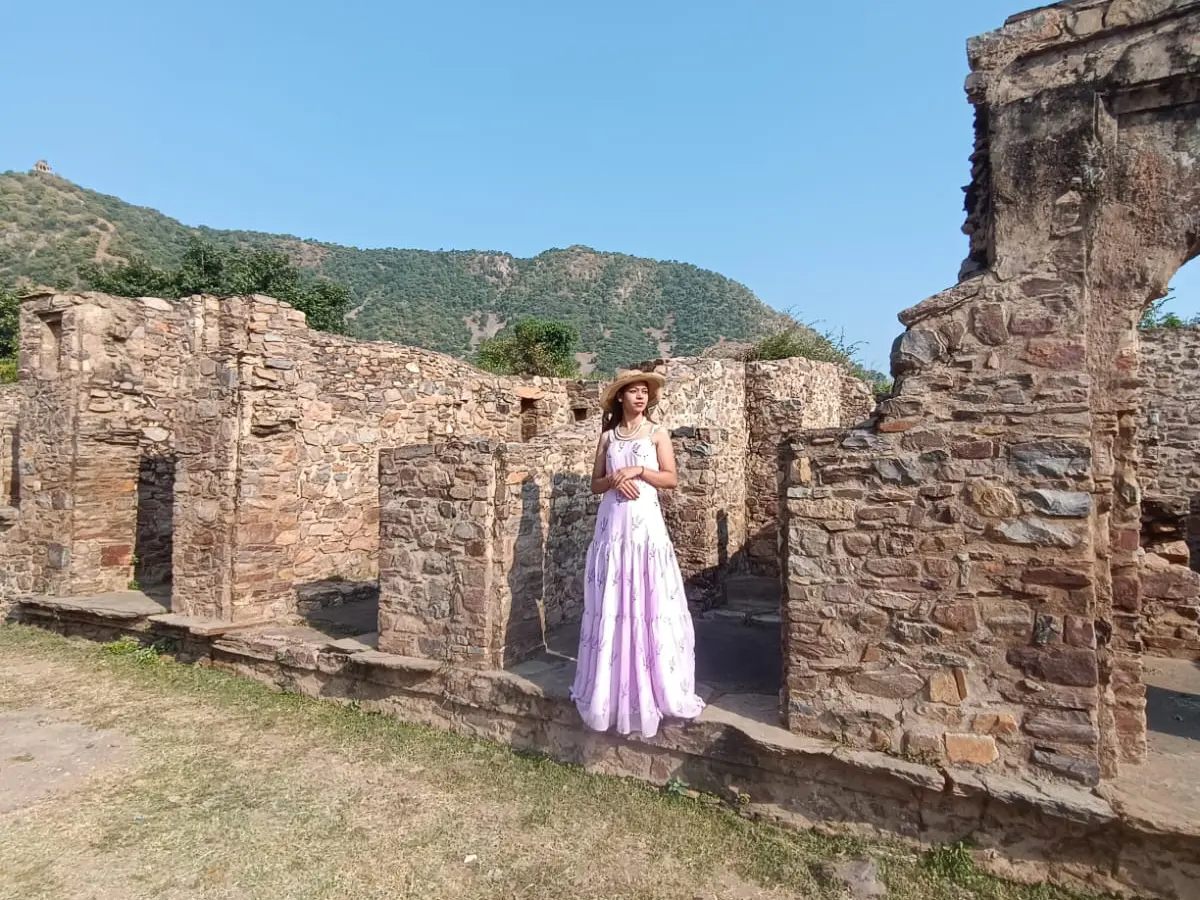
Bhangarh Fort: It is an hour’s drive from the eastern side of the reserve. People call it the most haunted fort in India, and the Archaeological Survey of India accidentally made that reputation stick by putting up signs that say don’t come here at night. The ruins are dramatic. The mood gets genuinely strange toward late afternoon. Go with a camera. Keep your expectations for actual ghosts very low.
Neelkanth Temples: Ancient ruins from somewhere between the 6th and 10th centuries, deep inside the forest. Incredible stone carvings, covered in vines, are largely forgotten by tourists. If Kankwari is the fort for people who love history, Neelkanth is the place for people who find a broken, overgrown sanctuary more moving than a neat, tidy one.
Talvriksha Watch Tower: A forest watchtower inside the reserve. Great for birds — painted storks, kingfishers, crested serpent eagles. And quietly, without most visitors realising it, this spot is also excellent for leopard sightings. Sariska has a surprisingly large leopard population. Most people come in only thinking about tigers and completely forget.
Also worth a look: Narayani Mata Temple near the reserve boundary, and the old Sariska Palace, which is worth seeing just for the architecture even if you’re not sleeping there.
Where to Stay
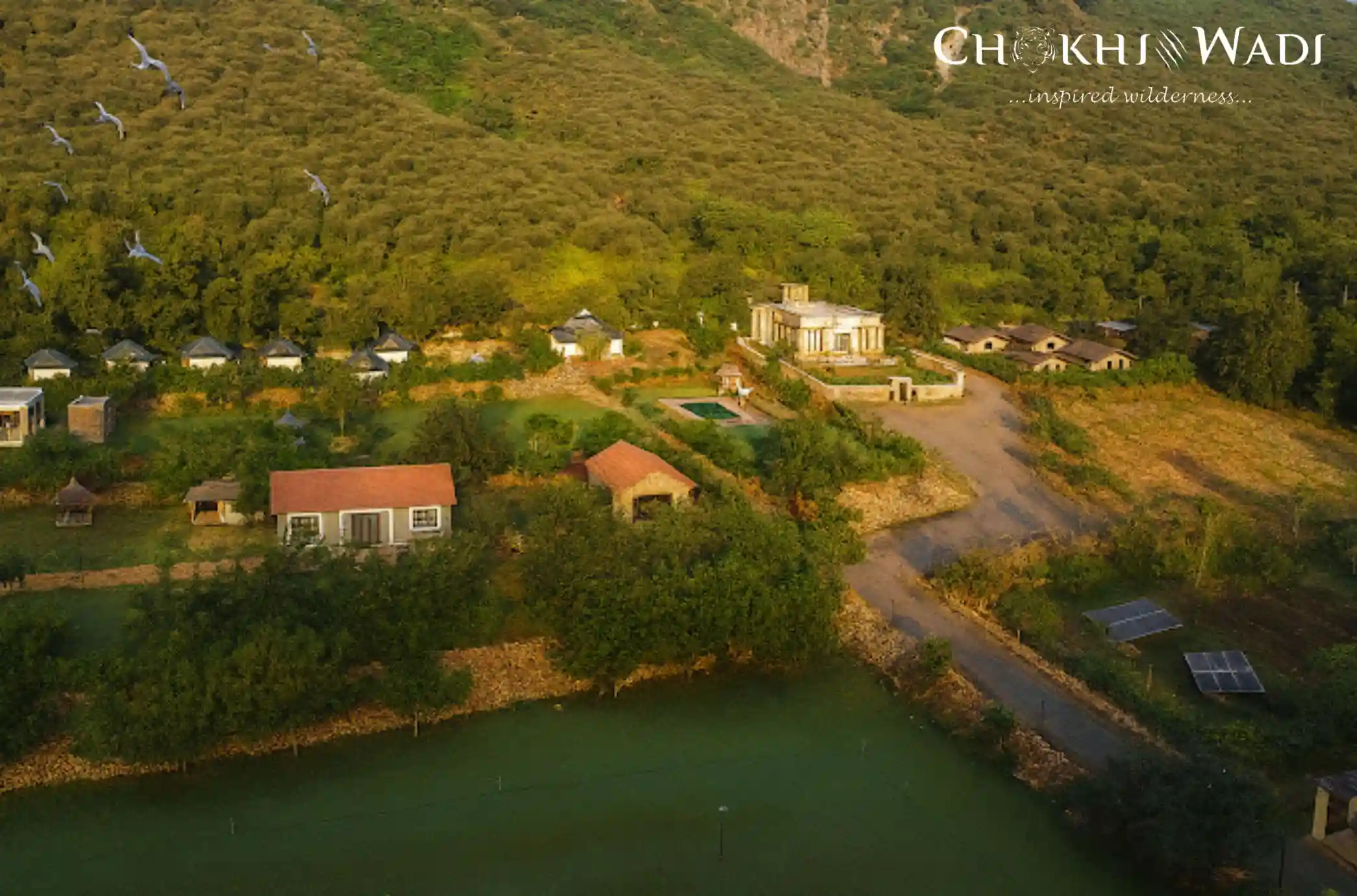
Chokhiwadi Forest Retreat, a resort in Sariska, sits on the quieter side of Sariska — the side that doesn’t attract big crowds or try to show off. It doesn’t advertise itself loudly. It doesn’t need to.
The rooms are simple and genuinely comfortable. Stone floors. Ceiling fans. Beds that someone clearly thought about. The staff has been there long enough that they know the forest the way you know your own neighborhood. They’ll mention — casually, while pouring you something cold — that a leopard crossed the eastern trail two nights ago. Same tone as if they were telling you the weather.
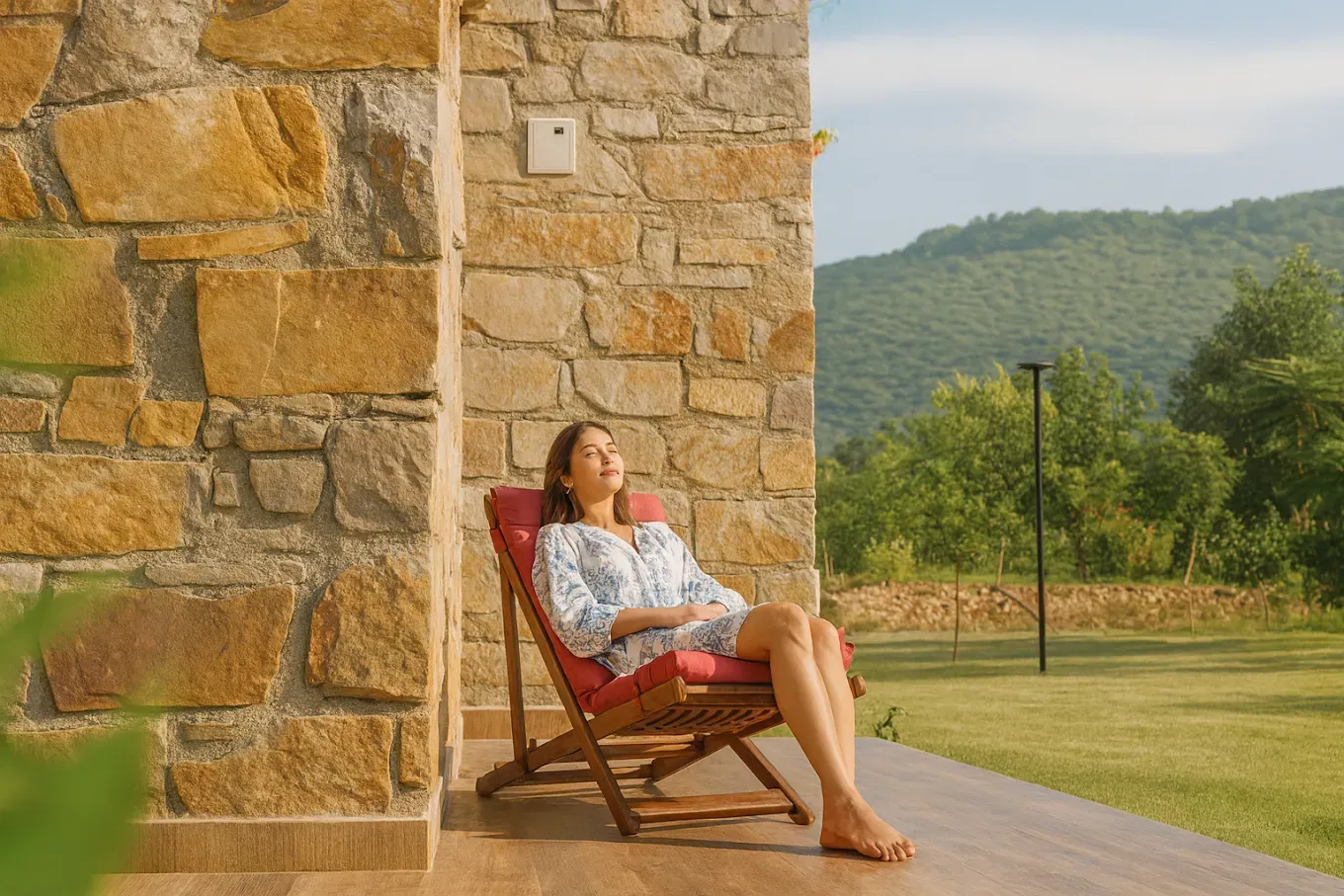
This is the place for people who’d rather sit quietly on the verandah at dusk, listening to the forest settle down for the night, than rush back for a crowded hotel buffet.
A few booking notes: Peak season runs October through March — book 6 to 8 weeks ahead at minimum. The monsoon months, July through September, are when parts of the reserve close, but the properties that stay open often drop their prices significantly and the solitude is extraordinary. Safari slots for the Pandupol zone sell out fast — book your forest department permits online, not at the gate.
Getting There
Sariska sits in the Alwar district of Rajasthan. It’s almost exactly halfway between Delhi and Jaipur — about 200 kilometres from Delhi and 107 from Jaipur. That’s the part most people don’t realise. It’s genuinely close to both cities.
From Delhi by road: Take NH 48 to NH 248A through Gurugram and Alwar. Under three and a half hours if the traffic is kind. Allow four and a half if it isn’t. Hire a car with a driver rather than self-driving — the last stretch into the reserve involves permit logistics that a local driver already knows how to handle.
By train: Alwar Junction is the nearest railway station, and it’s well-connected. Delhi to Alwar on the Shatabdi takes about an hour and a half. From Jaipur it’s around two hours. Taxis from Alwar station to the reserve take roughly 45 minutes.
By air: Jaipur airport is the most convenient flying option. Delhi’s airport also works well if your trip starts or ends in the capital.
Questions People Usually Ask
What are the timings for Pandupol Hanuman Mandir?
The temple opens at 6:00 AM and closes around 6:30 PM. Morning and evening aarti happen daily. Because the temple is inside forest reserve land, you’re also working within the forest department’s entry and exit schedule — so check the current seasonal timings before you go.
Can I just go on my own without booking a safari vehicle?
No. The road to Pandupol falls under Sariska Tiger Reserve’s rules, and private vehicles aren’t allowed on that track. You need a registered safari vehicle and a valid permit. Book through your hotel or directly through the Sariska Forest Department — don’t try to figure it out on the morning you want to visit.
When is the best time of year to go to Pandupol?
October through March is the sweet spot. The forest is dry, mornings are cool, and seeing wildlife is easier. Monsoon months bring thick green forest but also fewer tiger sightings and some road closures. April through June is hot — not dangerous, but the midday sun at the gorge is genuinely intense.
Are there tigers on the road to Pandupol?
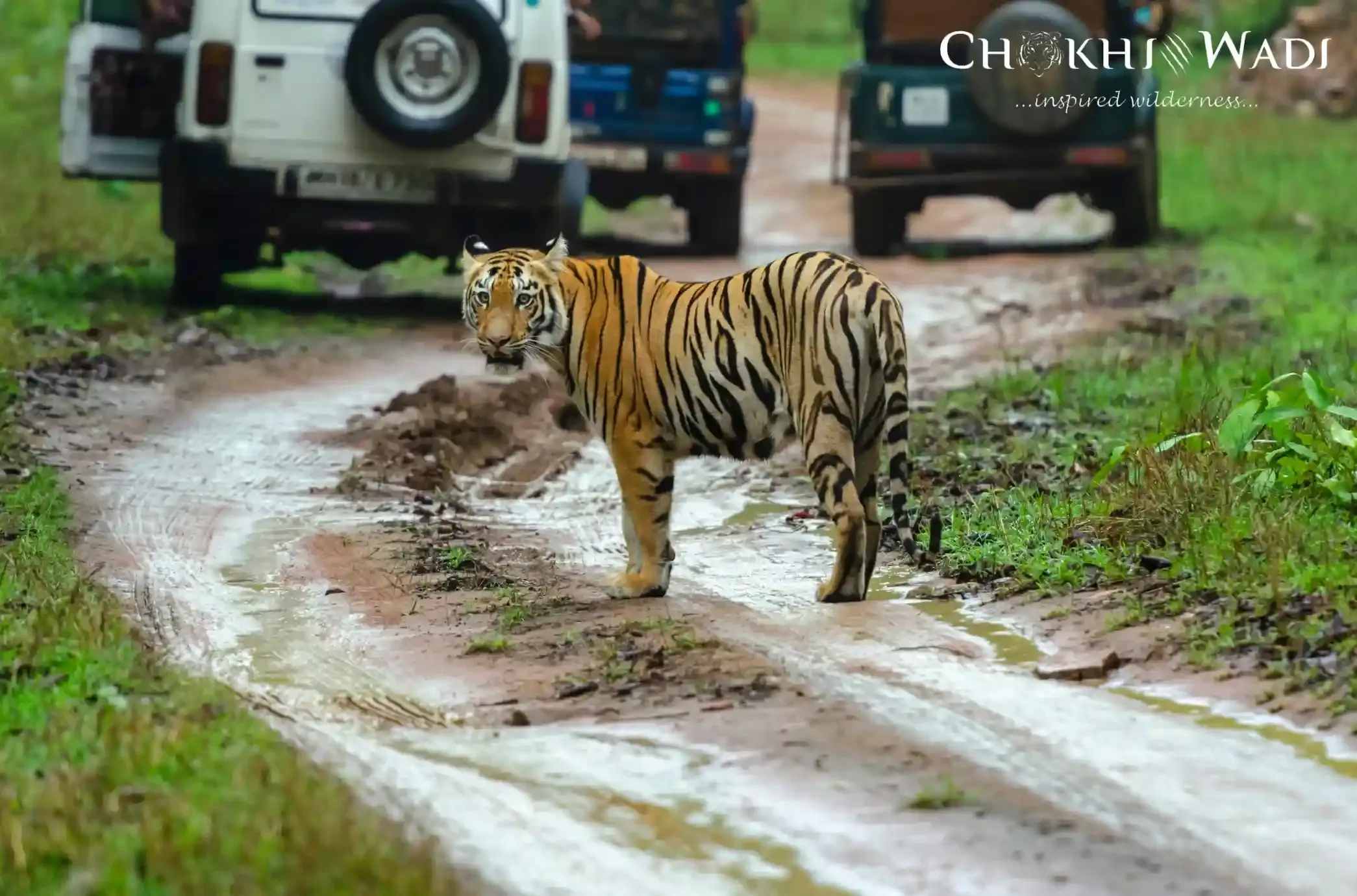
Yes. That route passes through active tiger territory. Sightings aren’t promised — they never are anywhere — but this route has a solid record of them. Leopards are spotted here regularly too. You stay inside or right next to your vehicle the whole time.
Is this temple important for reasons other than its location inside a tiger reserve?
Very much so. The connection to the Mahabharata runs deep here — the gorge itself is said to be the passage Bhima tore open through the rock. The reclining Hanuman idol is genuinely rare in Rajasthan. Serious pilgrims come specifically for this temple, especially on Tuesdays and Saturdays. It works on several levels at once — ancient story, living faith, wild landscape. Not many places do that.
How far is Pandupol from the main Sariska gate?
Around 22 kilometres. The drive takes 45 minutes to an hour, depending on road conditions and whether wildlife decides to hold up traffic. That drive through the forest is not just the way to get there — it’s part of the whole thing.
The bell was still going when we drove back out through the trees. Slowly fading behind us as the forest closed in again. We never figured out what was making it ring.
Some places just don’t explain themselves. And they shouldn’t have to.