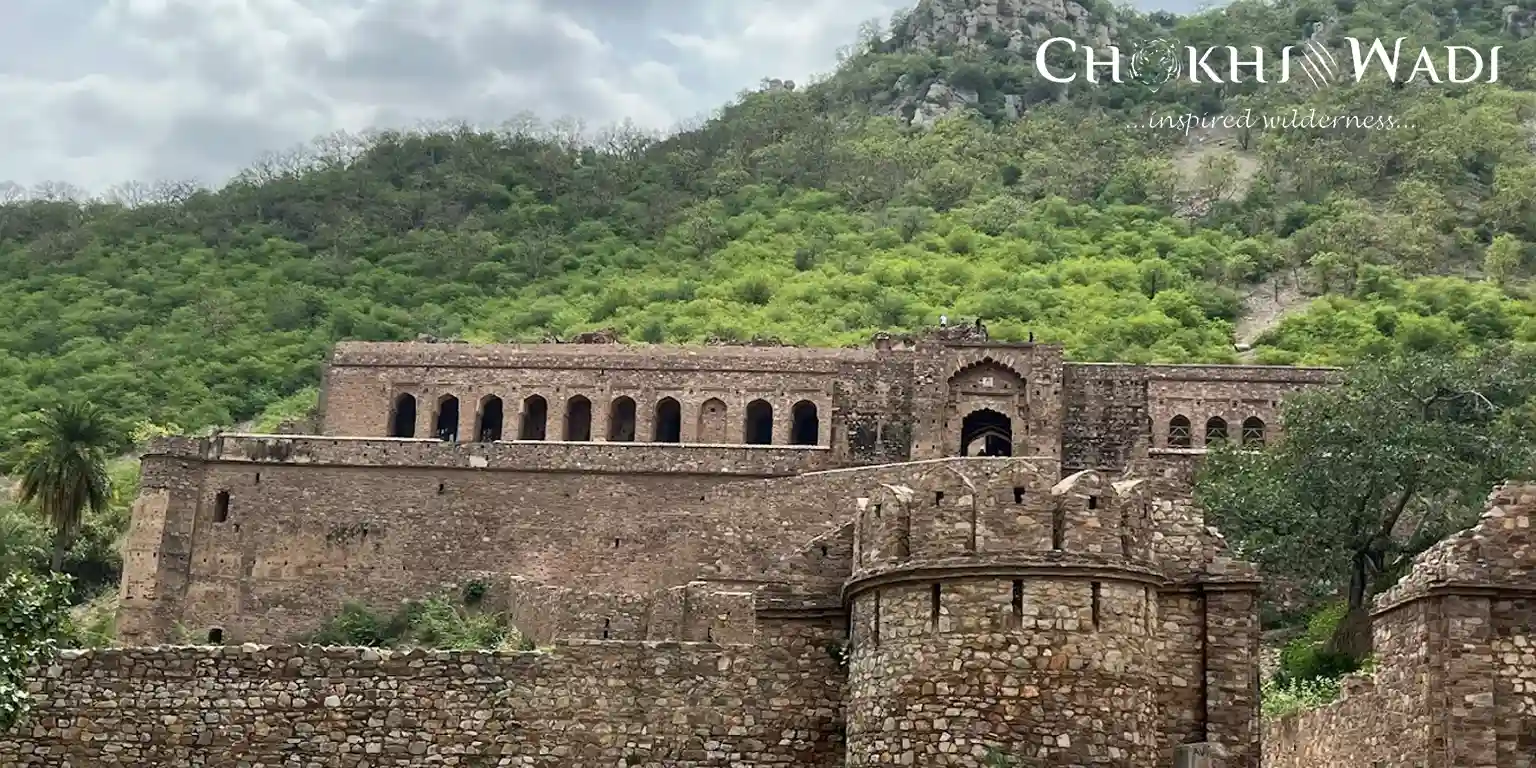
Every traveler who stands at the entrance of Bhangarh Fort knows that exact feeling. The wind drops out of nowhere. The trees go completely quiet. The ruins ahead seem to hold their breath.
Whether you believe in ghosts or not, Bhangarh makes you wonder. But is it actually haunted? Or is this just a 400-year-old story that gets bigger with every retelling?
Let’s skip the internet rumors and look at the real Bhangarh fort story—the history, the curses, the night-sky reality, nearby resorts, and how to plan your trip.
The History Meet the Legend
Bhagwant Das, a general in Emperor Akbar’s court, built Bhangarh Fort in 1573 for his younger son, Madho Singh. For nearly a century, this place thrived. At its peak, over 10,000 people lived here. It was a bustling royal city with markets, temples, mansions, and a grand palace.
Then, in the late 17th century, everyone left. No wars are recorded. No plagues. No massive sieges. Just suddenly, total silence.
When a city empties like that without a clear written reason, folklore fills the gap.
The Two Curses: Pick Your Story
1. The Shadow of Guru Balu Nath
The first story belongs to an ascetic named Guru Balu Nath, who meditated near the site. He allowed the fort to be built on one condition: no building could ever cast a shadow over his meditation spot.
For decades, the royals kept their promise. But later, a proud descendant raised the palace walls too high. The shadow fell right on the sage. Furious, he cursed the entire city to fall into ruin, declaring that no roof built here would ever stand.
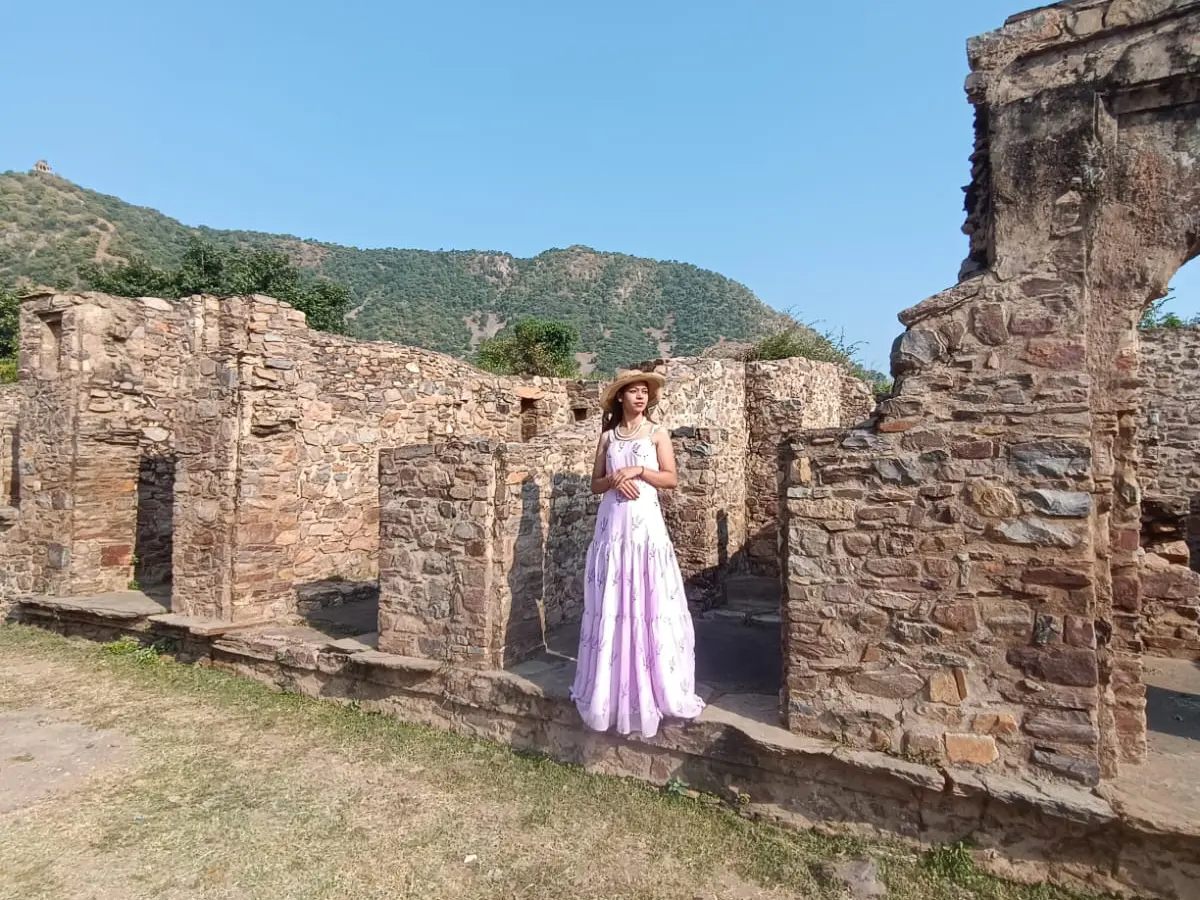
If you walk through Bhangarh today, you will notice something bizarre. Not a single structure has a roof. Every single ceiling has collapsed. Locals say it is the curse. Architects point to 400 years of neglect and local earthquakes.
2. The Sorcerer and the Princess
The second legend feels like a movie. A tantric sorcerer named Singhia fell in love with Princess Ratnavati of Bhangarh. She was famous for her beauty across Rajasthan.
Knowing he could never marry her, Singhia tried black magic. He enchanted a bottle of perfume meant for the princess to make her fall under his spell. Ratnavati saw through it and threw the bottle against a massive boulder. The boulder, cursed by the potion, rolled back and crushed Singhia.
Before he died, he cursed the kingdom to perish. He claimed their souls would wander the ruins without peace until the princess was reborn. Soon after, the city fell in a clash of arms, and the princess died.
What the Officials Say
Here is a detail you won’t find on horror forums. The Archaeological Survey of India (ASI) runs Bhangarh as a protected monument.
The famous yellow signboard at the gate says “Staying after sunset is strictly prohibited.” That isn’t a ghost warning. It is a standard legal directive under the Ancient Monuments Act. You will find the exact same sign at dozens of old, unlit forts across India. It keeps vandals, thieves, and wild animals out at night.
The ASI has never validated any paranormal claims. The night watchmen stationed there do report noises—shifting stones, wind howling through dark corridors, and owls nesting in the temple towers. In pitch blackness, that is enough to scare anyone.
Has Anyone Actually Stayed the Night?
Officially, absolutely not. It is illegal.
Practically, a few bold journalists and paranormal teams have managed to get permission over the decades. Their reports? Totally unremarkable. They reported feeling uneasy, hearing the wind, and getting startled by shadows. None of their equipment ever caught a conclusive ghost.
The honest truth is that no one who stayed there ever encountered anything worse than a natural fear of the dark.
Timings & Planning
- Opening Time: Sunrise (around 6:00 AM)
- Closing Time: Sunset (around 6:00 PM, changes by season)
- Night Entry: Completely illegal. The gates lock at dusk.
The Best Hour: Aim for 7:00 AM to 10:00 AM. The morning light turns the stones golden, the air is cool, and you can explore the empty ruins before the tourist buses arrive.
Distance from Nearby Cities
- From Alwar: 56 km (around 1.5 hours by road)
- From Jaipur: 83 km (around 2 to 2.5 hours by road)
- From Gurgaon: 240 km (around 4 to 4.5 hours by road)
- From Delhi: 300 km (around 5 to 6 hours by road)
The fort sits in the buffer forest of the Sariska Tiger Reserve. The road coming in from Alwar is usually the cleanest drive.
How to Get There
- By Car: This is your best option. Drive down NH-48 from Delhi or Jaipur toward Alwar, then branch off on the state highway toward Bhangarh village.
- By Train: The closest train station is Dausa (22 km away), but Alwar (56 km away) has much better train connections from major cities.
- By Bus: State buses run from Jaipur and Alwar to the larger nearby towns, but finding local transport for the final leg to the fort gate can be tough.
Checklist: What to See Inside
Give yourself a solid two to three hours to walk the grounds. Don’t miss these:
- The Bazaar Street: A long, roofless double row of stone foundations. This was the ancient market leading from the main gates straight to the palace.
- Someshwar Temple: A beautiful, active Shiva temple at the base. Locals still pray here, and it remains incredibly well-preserved.
- The Royal Palace: The multi-tiered ruin at the very top of the hill. Climb up to see the stone window frames and get a view of the whole valley.
- Gopinath and Mangla Devi Temples: Built on high stone platforms, these offer the best panoramic views of the Aravalli hills.
Where to Stay
You cannot sleep anywhere near the ruins, so you need a basecamp.
- Alwar Town: Located 56 km away. It has great heritage Havelis and standard hotels. It’s highly practical.
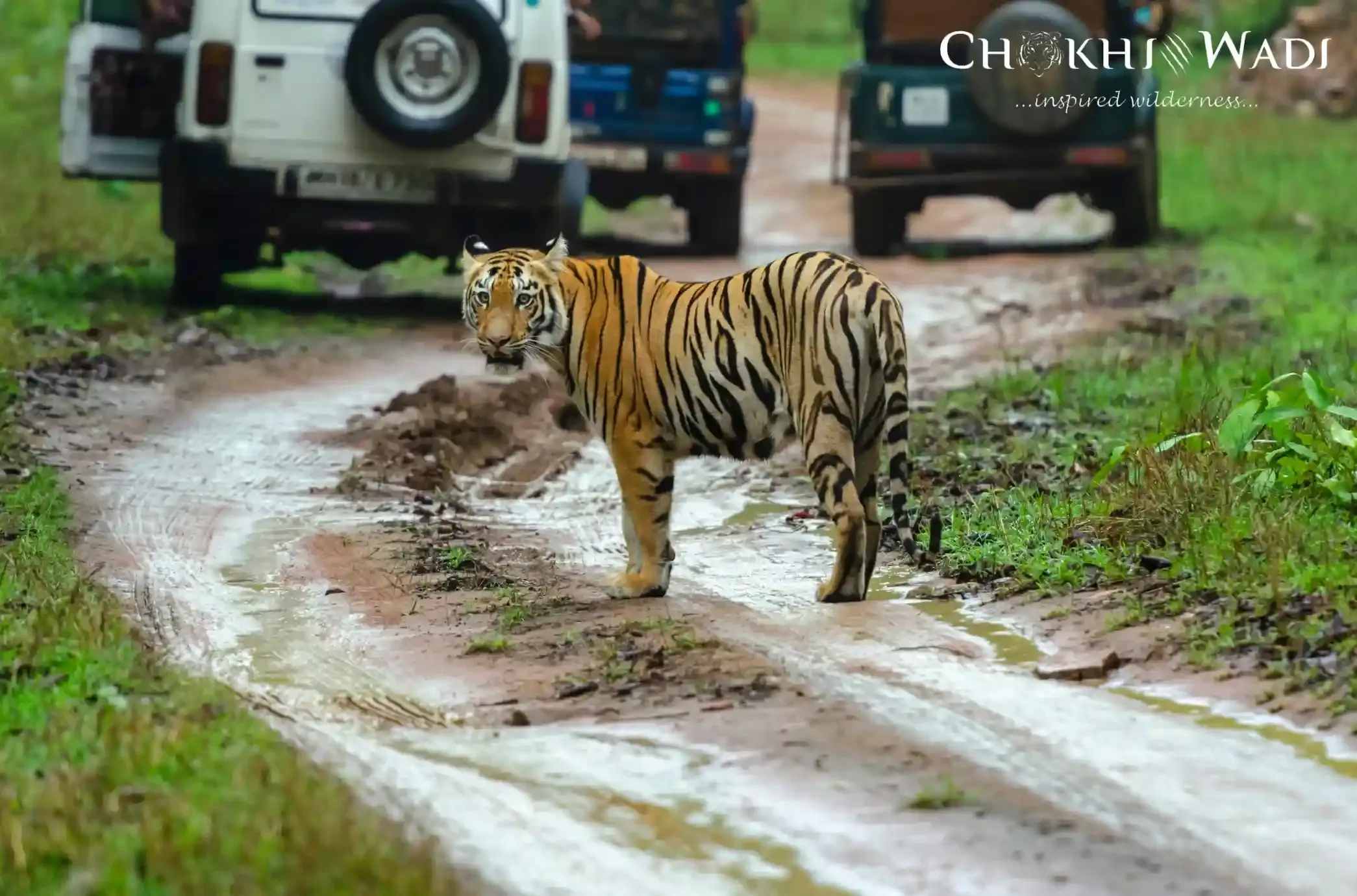
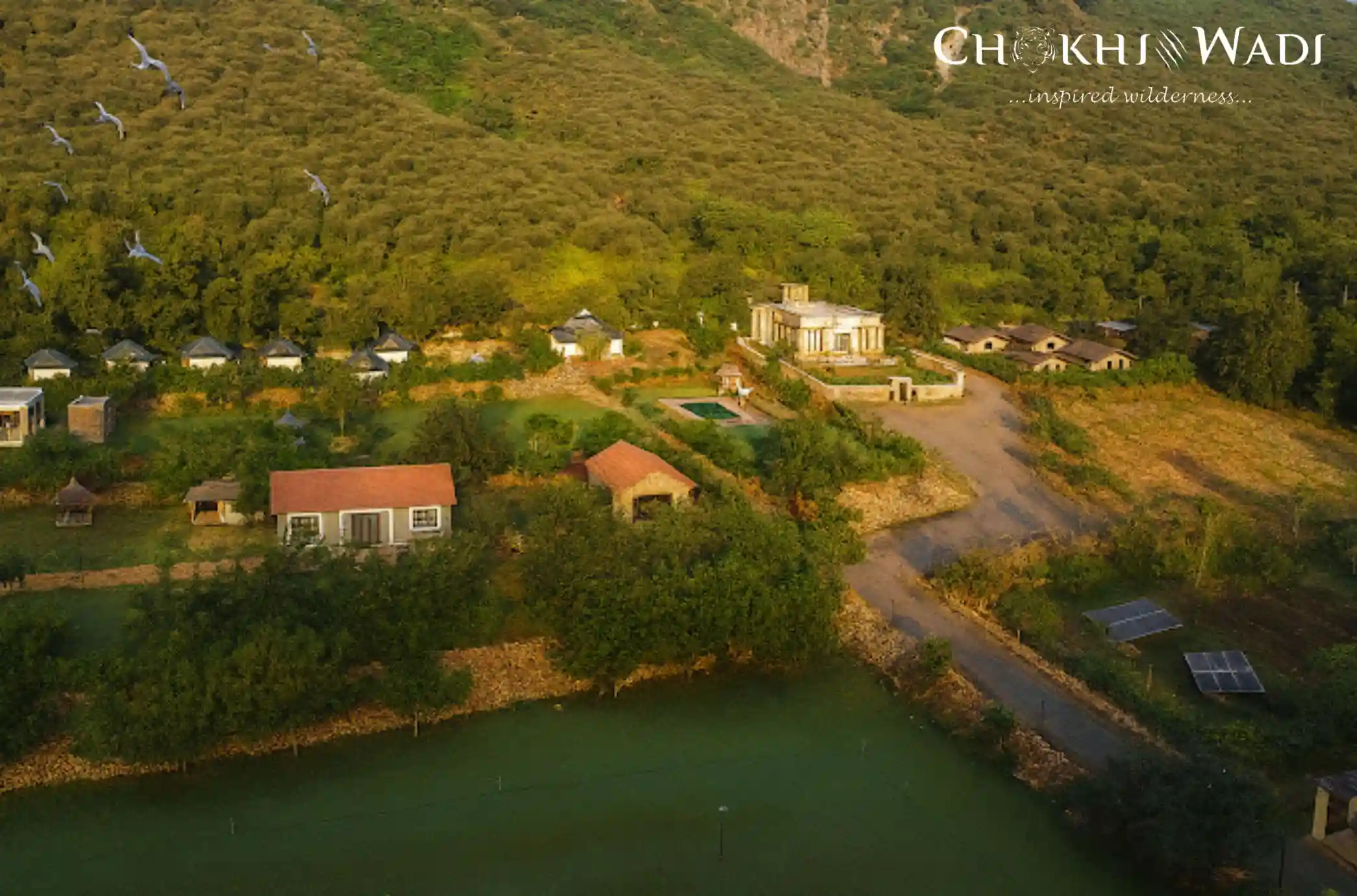
- Sariska Border Stays: Located about 35 km away. If you want to combine your history trip with a tiger safari, stay at an eco-lodge or wildlife resort near Alwar right on the edge of Sariska National Park.
Quick Field Tips
- Bring Water: You can buy drinks outside the main gates. Once you pass through the entry wall, there is nowhere to buy water or food.
- Wear Tough Shoes: The paths are made of broken stone and loose gravel. Flip-flops are a bad idea.
- Tickets: Entry is cheap. It costs around ₹25 for Indian citizens and ₹200 for foreign travelers.
- Watch the Clock: Don’t arrive past 4:30 PM. The guards start clearing people out well before sunset, and you won’t have time to see the upper palace.
Is It Worth It?
Yes, absolutely. But don’t go looking for a cheap jump-scare.
Go because Bhangarh is one of the most intact, hauntingly beautiful examples of a deserted medieval Indian city. Go because the stone carving is spectacular, the valley is beautiful, and the silence inside the ruins is intense.
The real haunting here isn’t supernatural. It’s historical. It’s the strange feeling of walking through an ordinary town that was full of life one day, and completely empty the next.
FAQs: Quick Answers
Why is Bhangarh called India’s most haunted place?
A mix of a mysterious sudden abandonment, the strict government “No Entry after Sunset” rule, and decades of ghost stories traded around campfires made it famous online.
Can we go inside Bhangarh Fort at night?
No, the guards lock the gates at sunset. Trying to sneak in is a legal offense and can get you arrested by the forest and archaeological departments.
Is it safe to visit during the day?
Totally safe. Thousands of families and regular tourists visit every single week. Just watch your step on the broken stone stairs.
How much does a ticket cost?
It is roughly ₹25 for Indian nationals and ₹200 for international visitors. Keep cash handy just in case the digital payment scanner loses cell signal.
What is the best season to visit?
October through March. Rajasthan’s summer heat in May and June is brutal. The monsoon months (July to September) are beautiful and turn the surrounding hills bright green, though the mountain roads can get slick.
Are there hotels right outside the fort?
No. The area directly around the fort is protected forest land. You will need to book your stay in Alwar, Dausa, or near the Sariska safari gates.
Why was the city actually abandoned?
Historians believe it wasn’t a curse. The city likely collapsed due to severe water scarcity, a series of heavy droughts, and shifting trade routes after the decline of local Mughal power.
Can I take photos inside?
Yes. Regular mobile and DSLR photography is allowed everywhere. If you are shooting commercial video or using drones, you need advanced permits from the ASI.